Native to Southeast Asia; naturalized across tropical America, including Colombia.
Elsewhere in the world: Also grown in Brazil, Jamaica, Cuba, Mexico, Costa Rica and Panama.
Altitude: 0–1,500 m
01k2k3k4k5k m
Where it grows wildWhere it's farmed todayMedellín
👀 Look
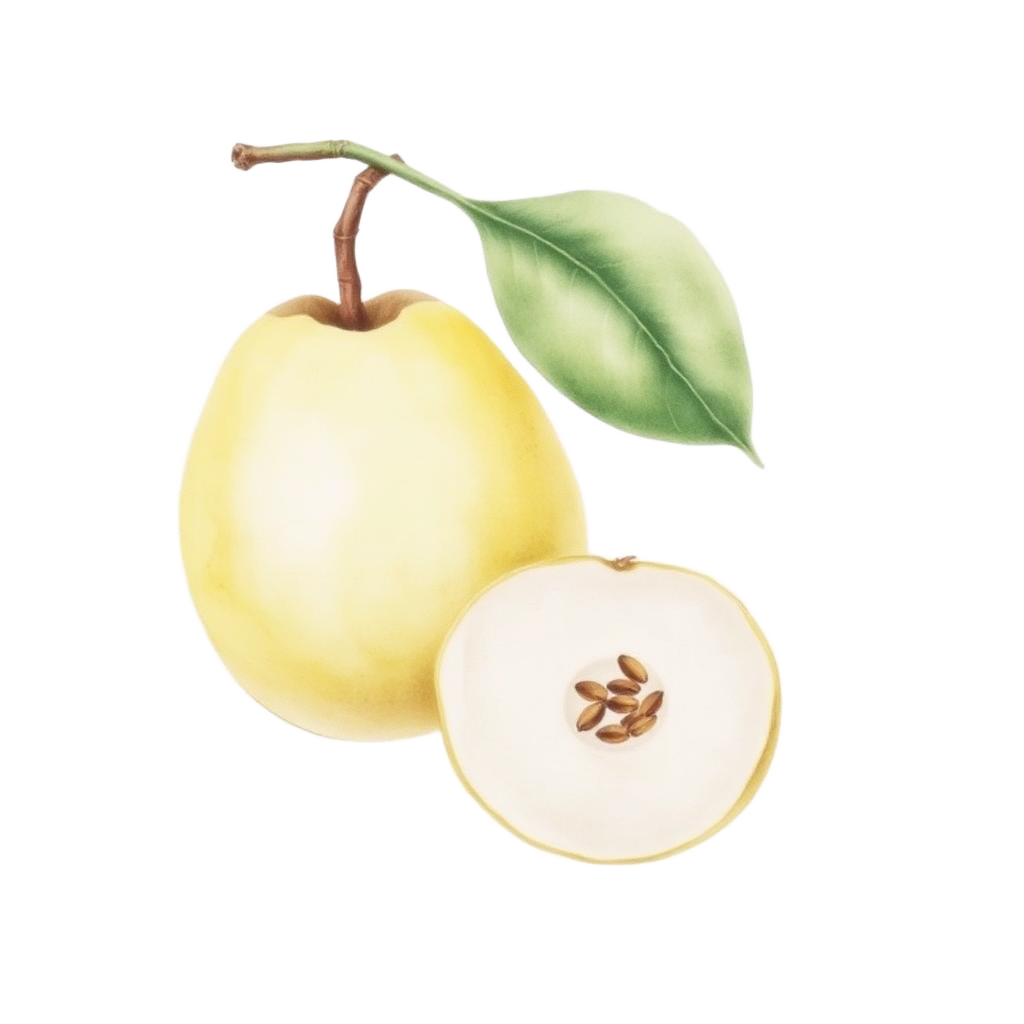
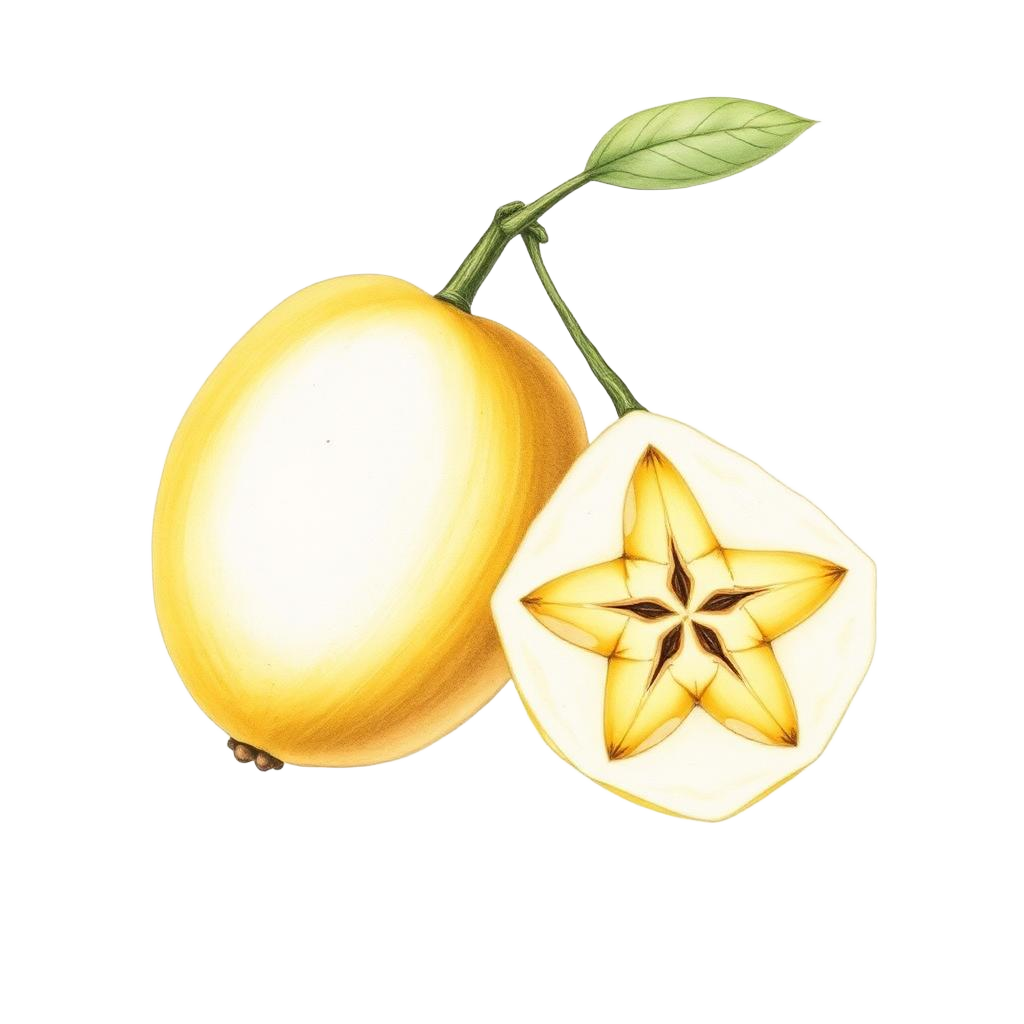
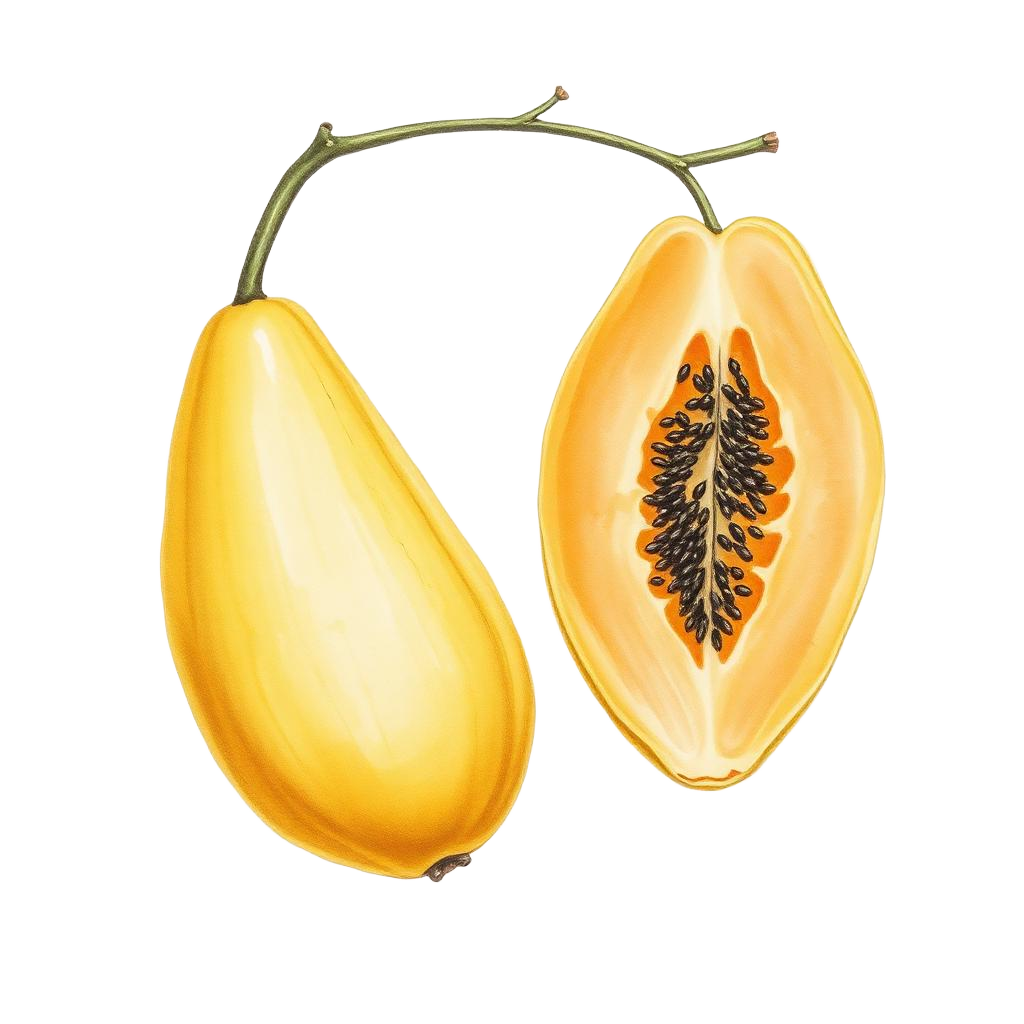
These small, pale yellow to pinkish fruits are bell-shaped, often with a hollow interior and a single, loose seed.
👃 Aroma
The aroma is distinctly floral, reminiscent of fresh roses, which gives the fruit its common name.
👅 Taste
The taste is mild and watery, like biting into a fragrant rose petal with a hint of apple.
Sweetness: ⭐⭐☆☆☆
🍽️ How to eat it
Locals typically eat Pomarrosa fresh, often right off the tree, as it's a fruit that doesn't travel or store well.
🧃 Drinks
It can be used in very light, refreshing aguas frescas, but its delicate flavor is easily overwhelmed.
🏪 Buying tips
If you find them at the market, buy them immediately and eat them within hours; look for firm, unblemished fruits.
💰 Price
2.000-4.000 COP/kg, if you can find them fresh.
🌎 Local lore
Pomarrosa is often a nostalgic fruit for Colombians, reminding them of childhood and climbing trees in rural areas.
⚠️ Watch out
This fruit wilts very quickly after picking, losing its crispness and much of its delicate aroma.
🎉 Fun fact
Despite its name, the Pomarrosa is not a true apple and is botanically related to guavas and eucalyptus. It is a notorious invasive species in Hawaii and the Caribbean, forming dense thickets that crowd out native plants.
⭐ Worth trying?
⭐⭐⭐ A rose-scented curiosity; try it for the experience.