Native to the Andean valleys of Ecuador and Peru; grown in Colombia's cooler highlands.
Elsewhere in the world: Also grown in Spain, Chile, the United States, Portugal and Italy.
Altitude: 1,400–2,600 m
01k2k3k4k5k m
Where it grows wildWhere it's farmed todayMedellín
👀 Look
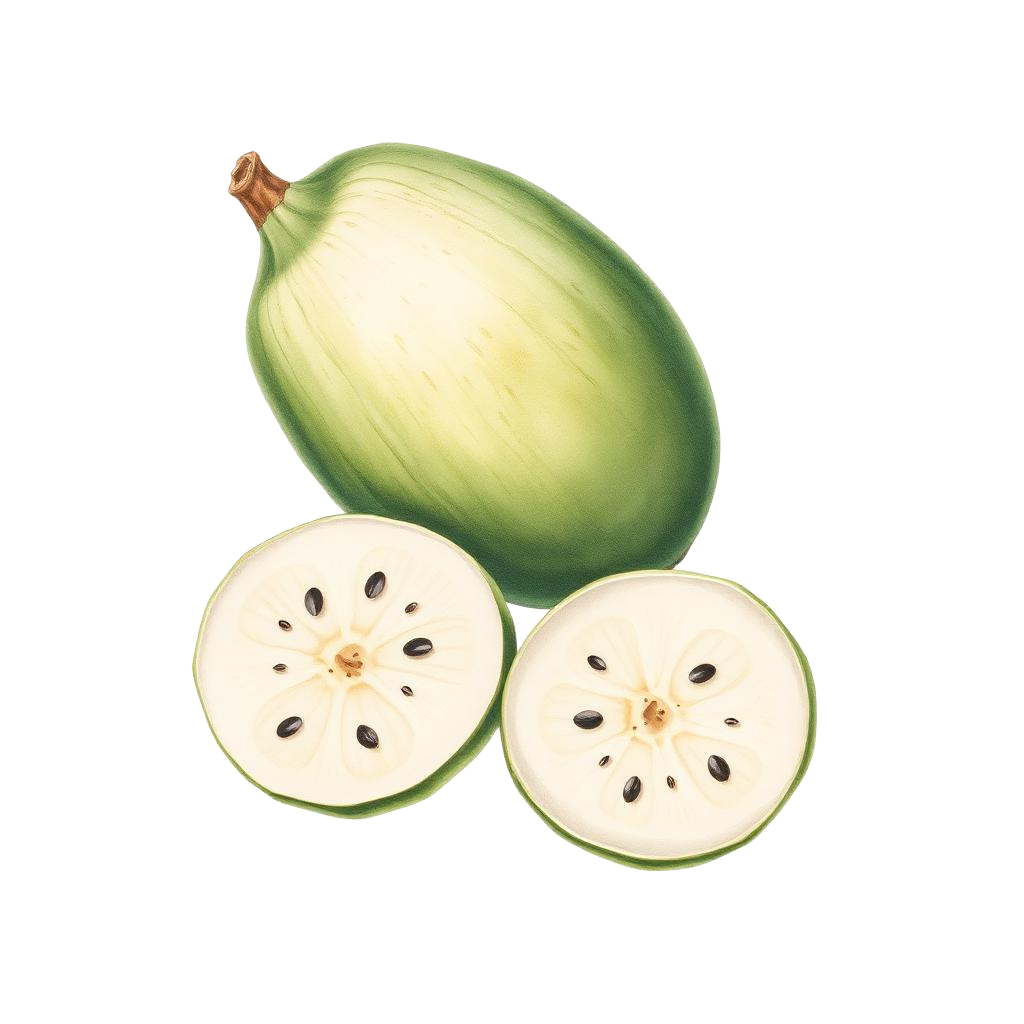
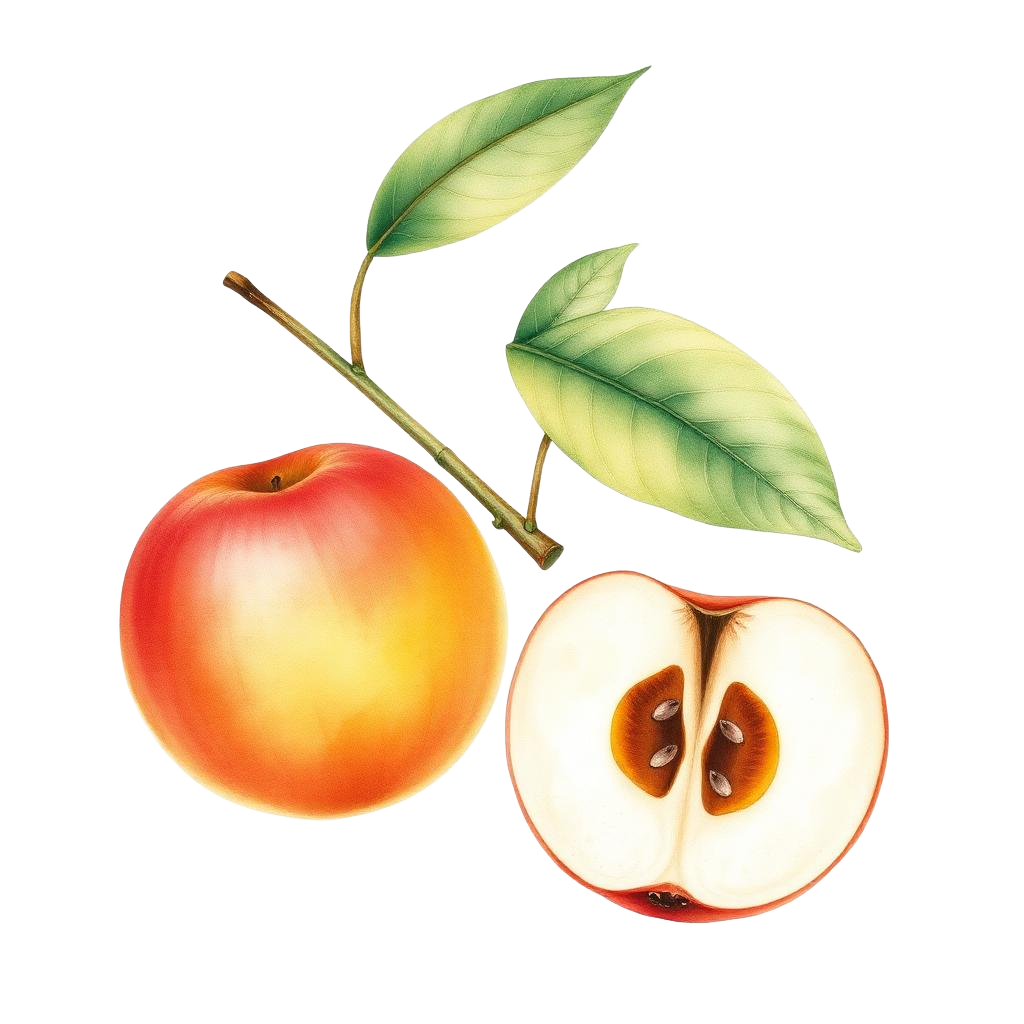
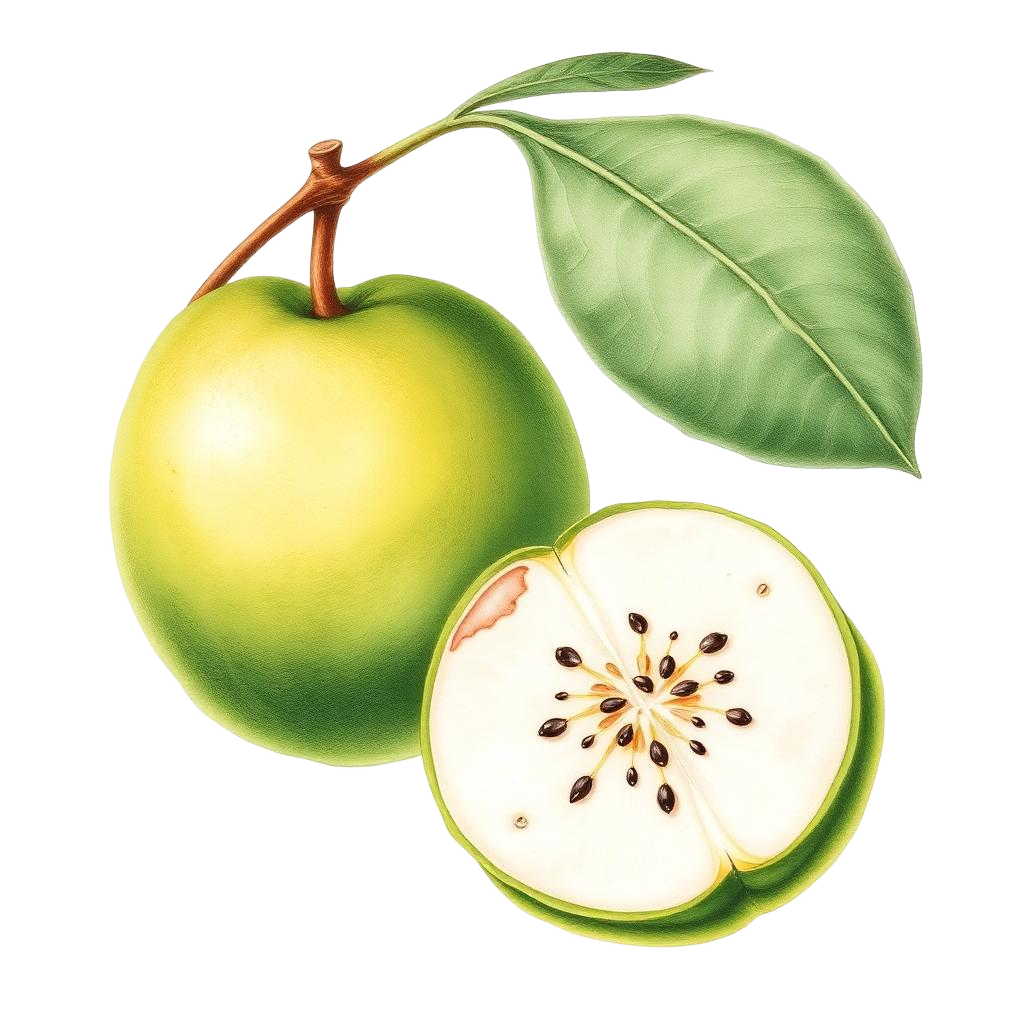
This fruit has a green, scaly skin, often described as dragon-like, and is roughly heart-shaped or conical.
👃 Aroma
A ripe Chirimoya offers a sweet, tropical fragrance, reminiscent of pineapple and banana.
👅 Taste
The creamy white pulp has a delightful blend of banana, pineapple, and sometimes strawberry notes.
Sweetness: ⭐⭐⭐⭐☆
🍽️ How to eat it
Locals typically enjoy Chirimoya fresh, simply cut in half and spooned out, discarding the seeds.
🧃 Drinks
It makes a luxurious, thick smoothie or a rich, creamy juice when blended with a little milk or water.
🏪 Buying tips
Look for fruits that yield slightly to gentle pressure, similar to a ripe avocado. Avoid any with soft spots or blemishes.
💰 Price
8.000-15.000 COP/kg
🌎 Local lore
Mark Twain described the cherimoya as “deliciousness itself” (Roughing It, 1872), a sentiment many Colombians share.
⚠️ Watch out
The large, black seeds are toxic and should not be eaten. The skin is also not consumed.
🎉 Fun fact
Chirimoya is a relative of the Guanábana, but generally considered more refined and sweeter, thriving at higher altitudes. In Colombia it lacks its native Andean beetle pollinators, so commercial fruit is often hand-pollinated with a paintbrush, one reason it is pricey.
⭐ Worth trying?
⭐⭐⭐⭐⭐ Nature's custard. If you find a soft, ripe one, don't hesitate.