Back

Manzana Criolla

Malus domestica

Manzana criolla / manzana nacional
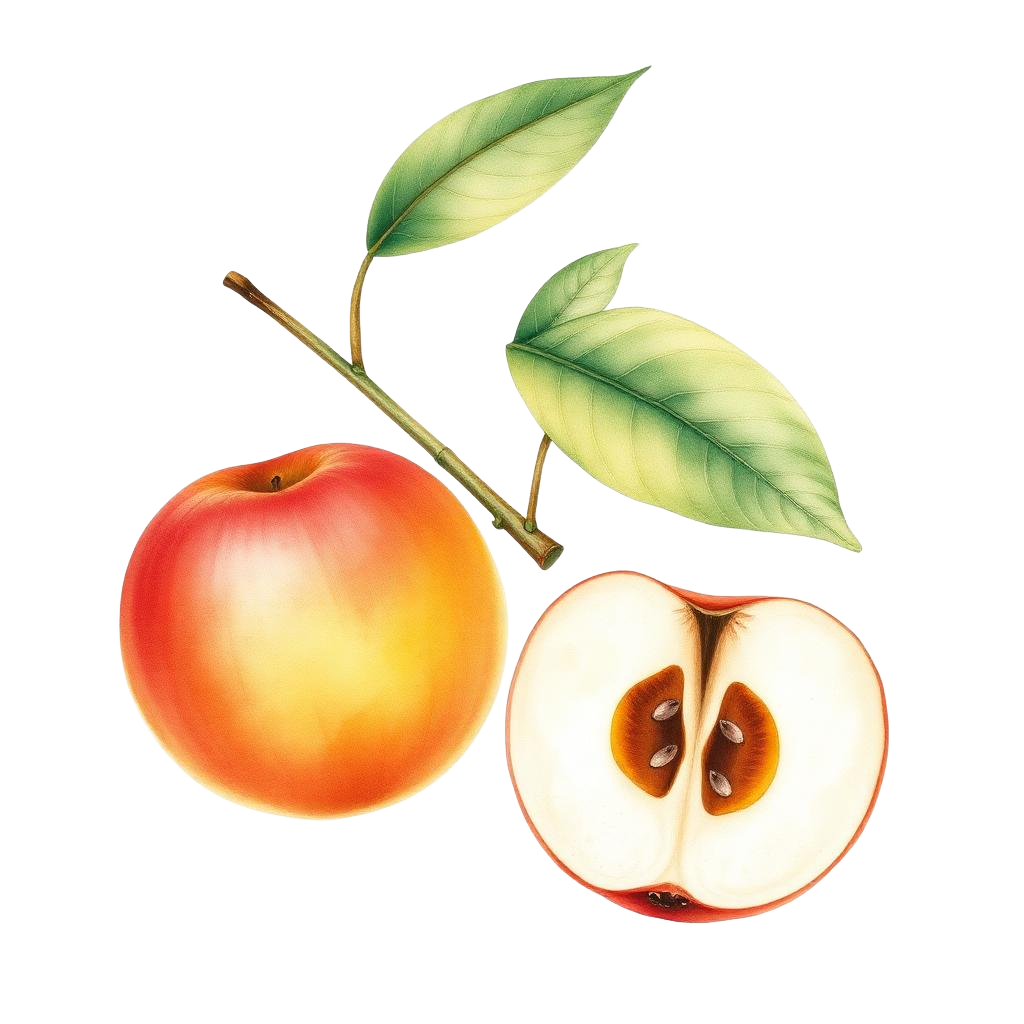
Manzana Criolla botanical illustration
Manzana Criolla real fruit photo
Field guide
🗓️ Season
J
F
M
A
M
J
J
A
S
O
N
D

● peak · ○ available · — scarce

Recent visitors (last 30 days)

Be the first to log a sighting

🗺️ Where it grows

Apples originate in the mountains of Central Asia; low-chill types are grown in Colombia's cool highlands, such as around La Ceja and in Boyacá.

Elsewhere in the world: Also grown in China, the United States, Poland, Turkey, Italy and France.

Altitude: 1,800–2,800 m
01k2k3k4k5k m
Where it grows wildWhere it's farmed todayMedellín
👀 Look

Smaller, blotchier and more irregular than supermarket apples — green blushed with streaky red, often asymmetric, sold in humble piles rather than waxed pyramids.

👃 Aroma

Bright, slightly wild apple.

👅 Taste

Crisp-tart, thinner-fleshed and livelier than cold-storage imports; closer to what apples tasted like before shipping standards.

Sweetness: ⭐⭐⭐☆☆

🍽️ How to eat it
Out of hand; the pretty imported apples are for gifts, the criollas are for eating.
🧃 Drinks
Occasionally juiced with lulo or blackberry.
🏪 Buying tips
Ignore cosmetics; choose firm and fragrant. The blemishes are the point.
💰 Price
Generally cheaper than imported apples — a few thousand pesos per pound. Typical market price.
🌎 Local lore
Here's the trick: apples evolved to need winter — hundreds of hours of chill — before they'll flower. The tropics have no winter, so Colombian growers (around highland towns like La Ceja and in Boyacá) use low-chill varieties like Anna, plus pruning and defoliation tricks that simulate winter. The result: smaller, streakier, tarter apples that can fruit almost year-round — a little agricultural magic trick most visitors never notice.
⚠️ Watch out

Nothing — just wash it.

🎉 Fun fact
The low-chill "Anna" apple that makes tropical apple-growing possible was bred in Israel in the 1950s specifically so apples could fruit in warm climates like Colombia's. The Anna apple is practically self-sterile and is almost always planted next to another low-chill Israeli variety, like "Dorsett Golden" or "Ein Shemer," as its pollen partner.
Worth trying?

⭐⭐⭐☆☆ Worth one, purely for the story you can now tell.