Back
Colombian native Hardest to find abroad

Arazá

Eugenia stipitata
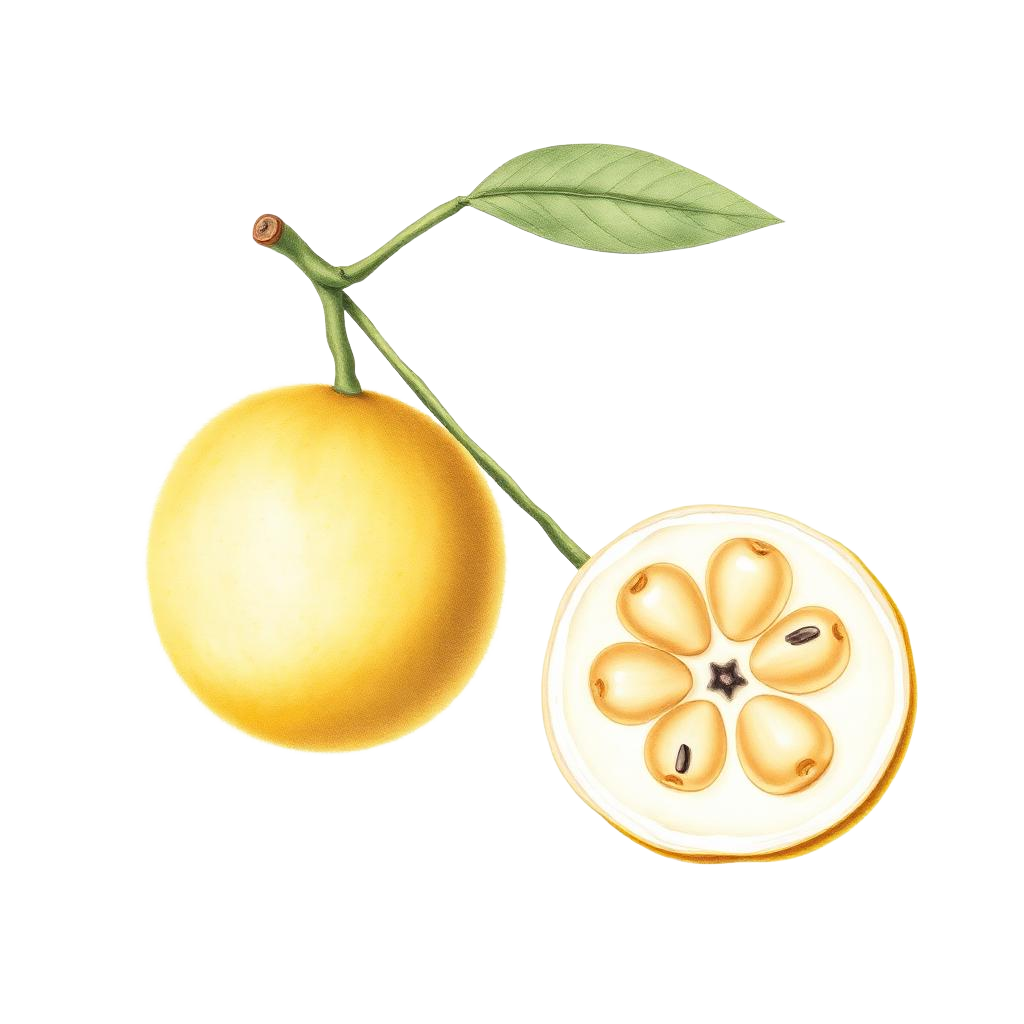
Arazá botanical illustration
Arazá real fruit photo
Field guide
🗓️ Season
J
F
M
A
M
J
J
A
S
O
N
D

● peak · ○ available · — scarce

Recent visitors (last 30 days)

Be the first to log a sighting

🗺️ Where it grows

Native to the western Amazon basin of Colombia, Peru, Ecuador and Brazil.

Elsewhere in the world: Also grown in Bolivia and Costa Rica.

Altitude: 0–650 m
01k2k3k4k5k m
MedellínBogotáCartagenaCaliLeticia

Amazon region, especially Putumayo, Caquetá and Amazonas.

👀 Look

This small, round to oval fruit is bright yellow, sometimes with a blush of orange, and has a slightly fuzzy skin. It looks a bit like a small, unripe peach or a large, bumpy plum.

👃 Aroma

Arazá has an intensely aromatic, tropical scent, often described as a mix of passion fruit, guava, and citrus. It's quite pungent and distinctive.

👅 Taste

The flesh is incredibly acidic and tart, with a strong, complex tropical flavor that's almost overwhelming when eaten raw. It's best enjoyed diluted and sweetened.

Sweetness: ⭐☆☆☆☆

🍽️ How to eat it
Locals almost exclusively consume Arazá as juice, often blended with water and plenty of sugar to balance its intense acidity. It's also used in jams and desserts.
🧃 Drinks
Arazá juice is a staple, often mixed with other sweeter fruits or milk to create refrescos or batidos (fruit coolers or milkshakes). It makes a fantastic, tangy base for cocktails.
🏪 Buying tips
You'll rarely find fresh Arazá in Medellín due to its short shelf life; it's mostly sold as frozen pulp. If you do find fresh, look for firm, bright yellow fruits without blemishes.
💰 Price
Frozen pulp: 8.000-12.000 COP/500g. Fresh fruit (rare): 10.000-15.000 COP/kg.
🌎 Local lore
Arazá is highly valued in Amazonian communities for its nutritional properties and is considered a 'superfruit' by many. It's a taste of the deep jungle.
⚠️ Watch out

Do NOT try to eat this fruit raw unless you enjoy extreme sourness; it will pucker your mouth! It needs sugar or blending with other fruits to be palatable.

🎉 Fun fact
Despite its intense acidity, Arazá is packed with Vitamin C and antioxidants, making it a healthy choice once its tartness is tamed. It is a close relative of the guava and the Surinam cherry, all in the Myrtaceae (myrtle) family, which explains its guava-like aroma.
Worth trying?

⭐⭐⭐⭐ Too sour to eat out of hand, but it makes a spectacular juice.