Back

Níspero

Manilkara zapota
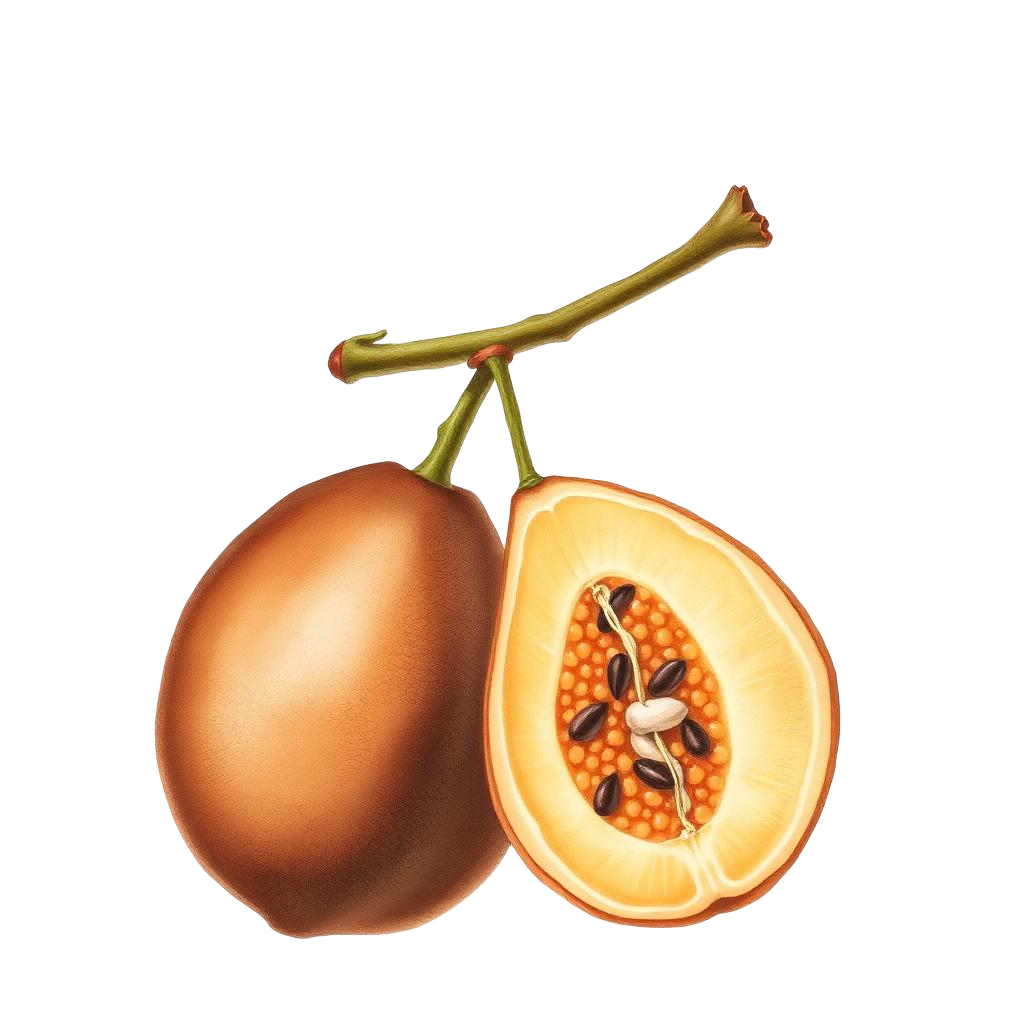
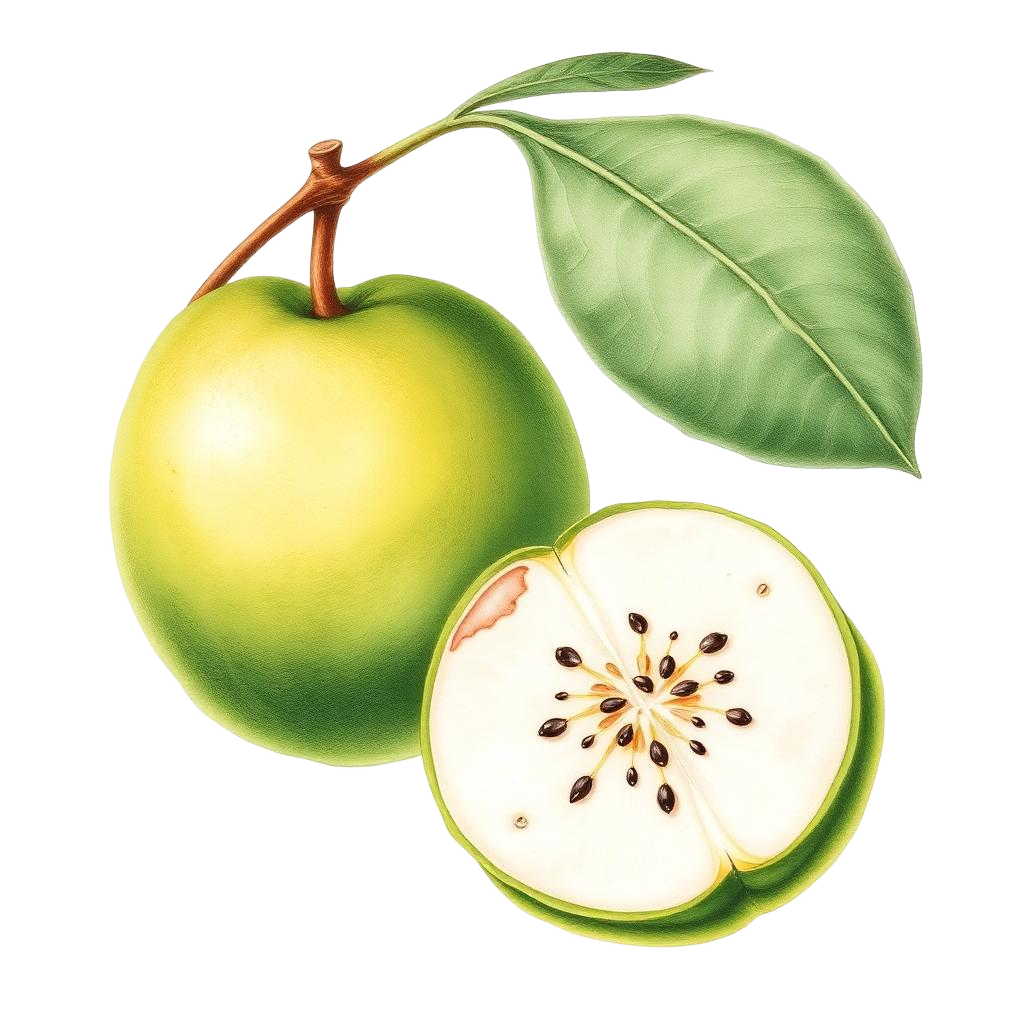
Níspero botanical illustration
Níspero real fruit photo
Níspero cut open, showing the inside
Field guide
🗓️ Season
J
F
M
A
M
J
J
A
S
O
N
D

● peak · ○ available · — scarce

Recent visitors (last 30 days)

Be the first to log a sighting

🗺️ Where it grows

Native to southern Mexico, Central America and the Caribbean; long cultivated in Colombia's warm regions.

Elsewhere in the world: Also grown in India, Thailand, Vietnam, Malaysia, the Philippines and Indonesia.

Altitude: 0–1,000 m
01k2k3k4k5k m
Where it grows wildWhere it's farmed todayMedellín
👀 Look

This fruit has a fuzzy, brown skin, often mistaken for a small mamey from a distance. Inside, the flesh is granular and light brown, with a few shiny black seeds.

👃 Aroma

A subtle, sweet, malty fragrance, reminiscent of brown sugar and dried figs.

👅 Taste

The taste is uniquely sweet and malty, like a pear soaked in brown sugar and malt, with a slightly grainy texture.

Sweetness: ⭐⭐⭐⭐⭐

🍽️ How to eat it
Locals typically enjoy Níspero fresh, cut in half and spooned directly from the rind. It's a simple, satisfying snack.
🧃 Drinks
Níspero makes a rich, thick juice or smoothie, often blended with milk or water and a touch of lime to balance the sweetness.
🏪 Buying tips
Look for fruits that are slightly soft to the touch, indicating ripeness. Avoid very hard or bruised Nísperos. Don't confuse it with mamey – ask the vendor if unsure.
💰 Price
5.000-8.000 COP/kg
🌎 Local lore
While not native, Níspero has been cultivated in Colombia for centuries and is a beloved fruit, especially in warmer regions.
⚠️ Watch out

Unripe Níspero is astringent and unpleasant to eat, so ensure it's soft before consuming. The seeds are not edible.

🎉 Fun fact
The tree that produces Níspero also yields chicle — the natural latex that was the original chewing-gum base.
Worth trying?

⭐⭐⭐⭐ Brown sugar and pear. Eat it fully ripe and soft, never green.