Back
Colombian native Hardest to find abroad

Corozo

Bactris guineensis
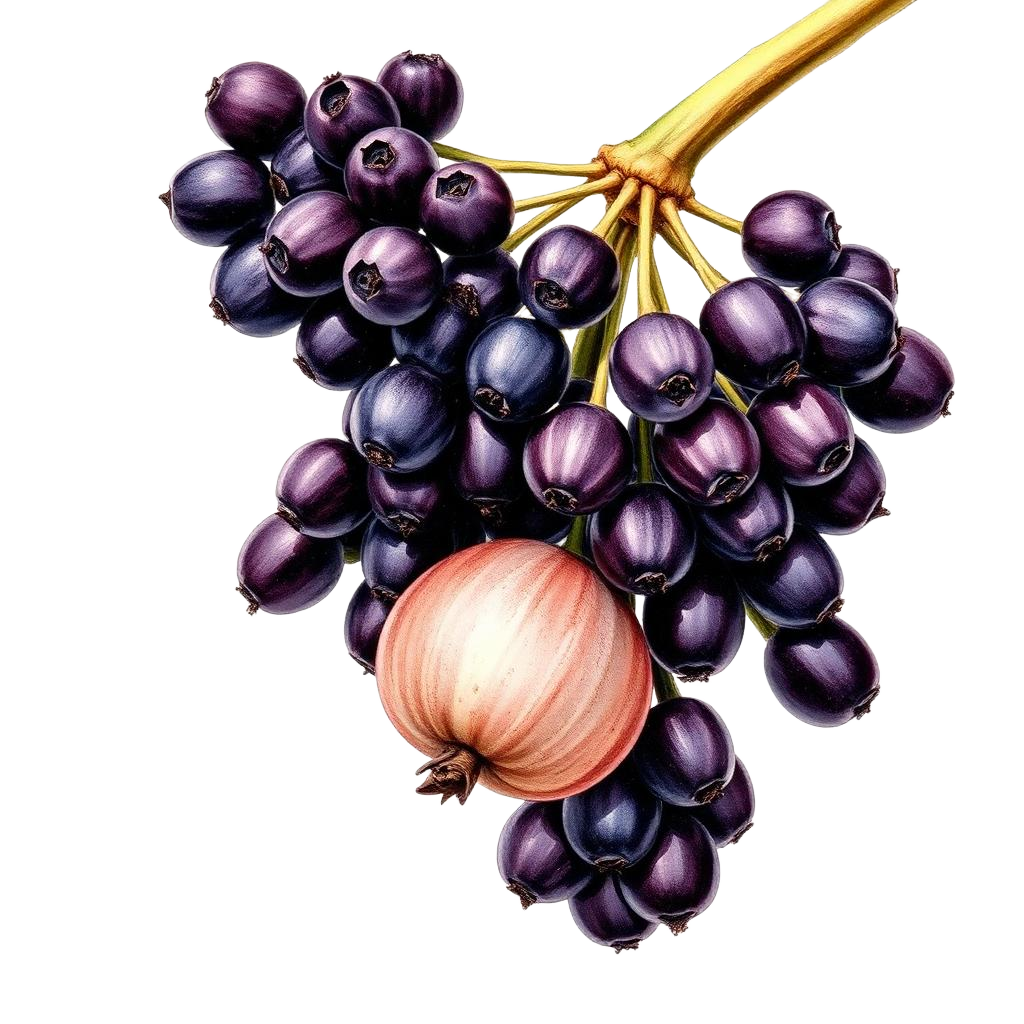
Corozo botanical illustration
Corozo real fruit photo
Field guide
🗓️ Season
J
F
M
A
M
J
J
A
S
O
N
D

● peak · ○ available · — scarce

Recent visitors (last 30 days)

Be the first to log a sighting

🗺️ Where it grows

Native to the Caribbean lowlands of northern Colombia and nearby Central America.

Elsewhere in the world: Barely leaves Colombia — beyond the border it grows mostly wild in the Caribbean lowlands and lowland Central America.

Altitude: 0–500 m
01k2k3k4k5k m
MedellínBogotáCartagenaCaliLeticia

Caribbean coast, especially Bolívar, Córdoba, Sucre and Magdalena.

👀 Look

These tiny, dark purple berries grow in clusters on a palm, resembling small grapes or blueberries.

👃 Aroma

A subtle, slightly tart, and earthy scent, hinting at its cranberry-like flavor.

👅 Taste

Intensely tart and acidic, with a refreshing, cranberry-like tang.

Sweetness: ⭐☆☆☆☆

🍽️ How to eat it
Locals primarily consume Corozo as a vibrant, ruby-red juice or in jams and sweets, rarely eaten fresh due to its intense tartness.
🧃 Drinks
The most famous preparation is jugo de Corozo, a sweet, refreshing, and deeply colored drink. It's also used in chicha (fermented drinks) and cocktails.
🏪 Buying tips
In Medellín, you'll mostly find Corozo already processed into juice or pulp. If buying fresh, look for firm, plump berries without mold.
💰 Price
Fresh fruit: 8.000-12.000 COP/kg (when available). Juice/Pulp: 5.000-8.000 COP/liter.
🌎 Local lore
Corozo is a staple of Caribbean Colombian cuisine, deeply ingrained in coastal culture and celebrated for its unique flavor and vibrant color.
⚠️ Watch out

Do not expect to eat these fresh like grapes; their tartness is overwhelming. They are best enjoyed in sweetened preparations.

🎉 Fun fact
The intense red color of Corozo juice is entirely natural and makes it a popular ingredient for food coloring in traditional dishes. On the Caribbean coast corozo is fermented into a traditional wine or chicha, which is why it is also called the "wine palm."
Worth trying?

⭐⭐⭐ More for juice and wine than eating out of hand, but the color is worth it.