Back
Colombian native Hardest to find abroad

Lulo

Solanum quitoense

Lulo (elsewhere in the Andes: naranjilla)
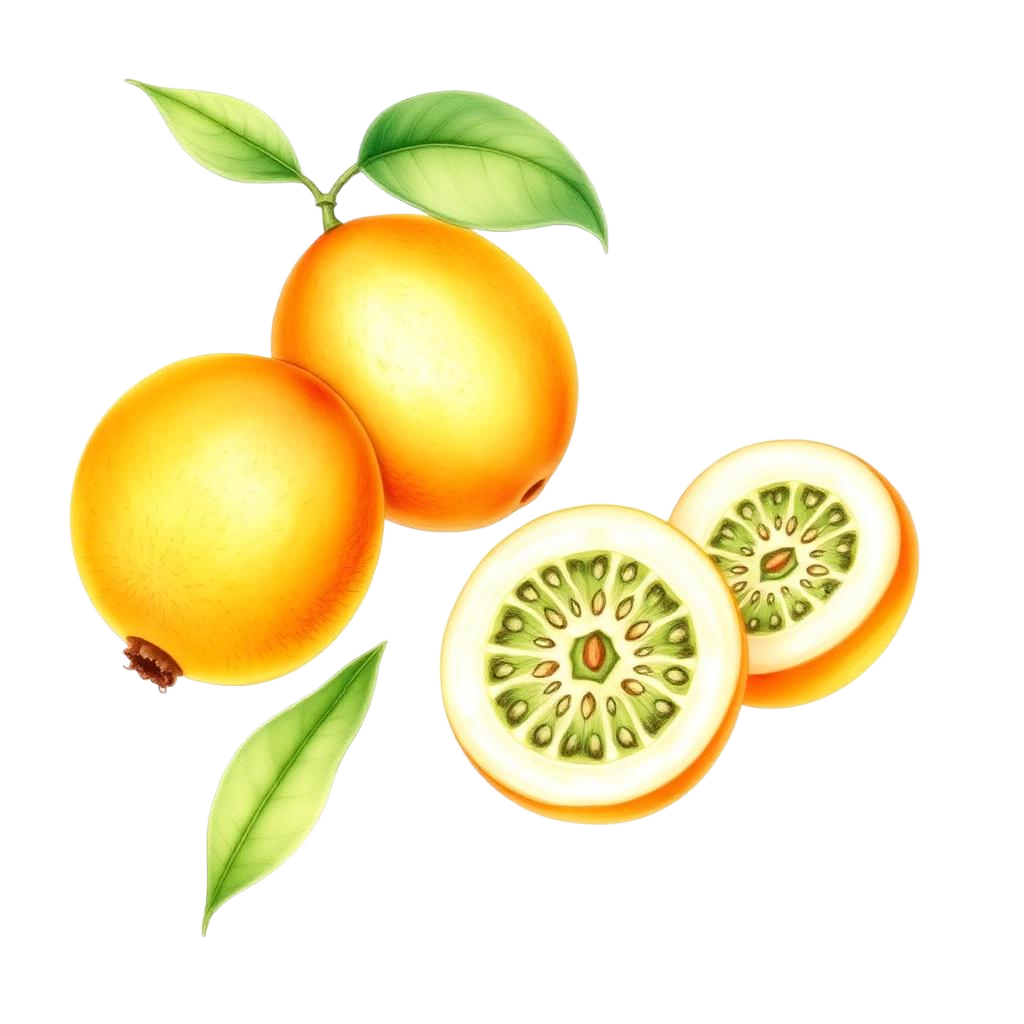
Lulo botanical illustration
Lulo real fruit photo
Lulo cut open, showing the inside
Field guide
🗓️ Season
J
F
M
A
M
J
J
A
S
O
N
D

● peak · ○ available · — scarce

Recent visitors (last 30 days)

Be the first to log a sighting

🗺️ Where it grows

Native to the Andean slopes of Colombia and Ecuador.

Elsewhere in the world: Also grown in Peru, Costa Rica, Panama and Guatemala.

Altitude: 1,200–2,300 m
01k2k3k4k5k m
MedellínBogotáCartagenaCaliLeticia

Andean slopes, especially around Antioquia.

👀 Look

A tennis-ball-sized orange globe with a faint suede fuzz. Slice it and everything changes: the inside is vivid green, divided into four juicy compartments like a citrus-tomato hybrid, packed with small edible seeds.

👃 Aroma

Bright and tangy — citrus over green tomato, with a tropical edge.

👅 Taste

Like rhubarb crossed with kiwi and lime, on a tomato chassis. Sharply acidic, barely sweet, wildly refreshing.

Sweetness: ⭐⭐☆☆☆

🍽️ How to eat it
Almost never raw out of hand — it's too tart. It's blended. The classic tourist mistake is biting one like an orange and writing it off; order the juice instead.
🧃 Drinks
Jugo de lulo (water, tart-fresh) and lulo en leche (milk, creamy like a green milkshake). In the Valle del Cauca it becomes lulada — hand-crushed lulo, sugar, and shaved ice — and champús, a spiced maize-and-fruit drink. Milk versus water is a genuine local debate; try both.
🏪 Buying tips
Ripe = deep orange, slight give, fuzz rubbing off. Avoid green-tinged hard fruit and anything wrinkled. Ripens a little on the counter; refrigerate once soft.
💰 Price
📝 3.500 COP (our vendor's quote) · wholesale ran 4.800–5.000/kg in April 2026, so expect roughly 5.000–8.000 COP/kg retail. Typical market price.
🌎 Local lore
Lulo is one of Colombia's most emblematic fruits — the juice you'll be offered at every lunch counter in Antioquia. It barely exports because the fruit bruises and ferments within days of ripening, so a real lulo juice is something you almost have to fly here for.
⚠️ Watch out

Very acidic on an empty stomach. The fuzz on unripe fruit can irritate skin — vendors wipe it off.

🎉 Fun fact
Its species name quitoense means "from Quito," and the whole plant — leaves, stems, even the young fruit — is cloaked in soft purple hairs, unusual for its family. Its ripe pulp stays vivid green because it keeps its chlorophyll, making one of the few naturally green fruit juices.
Worth trying?

⭐⭐⭐⭐⭐ The single most Colombian flavor in the market. Don't leave without a lulo juice.