Back
Colombian native

Tomate de Árbol (Rojo)

Solanum betaceum

Tomate de árbol (dark variety: tamarillo morado)
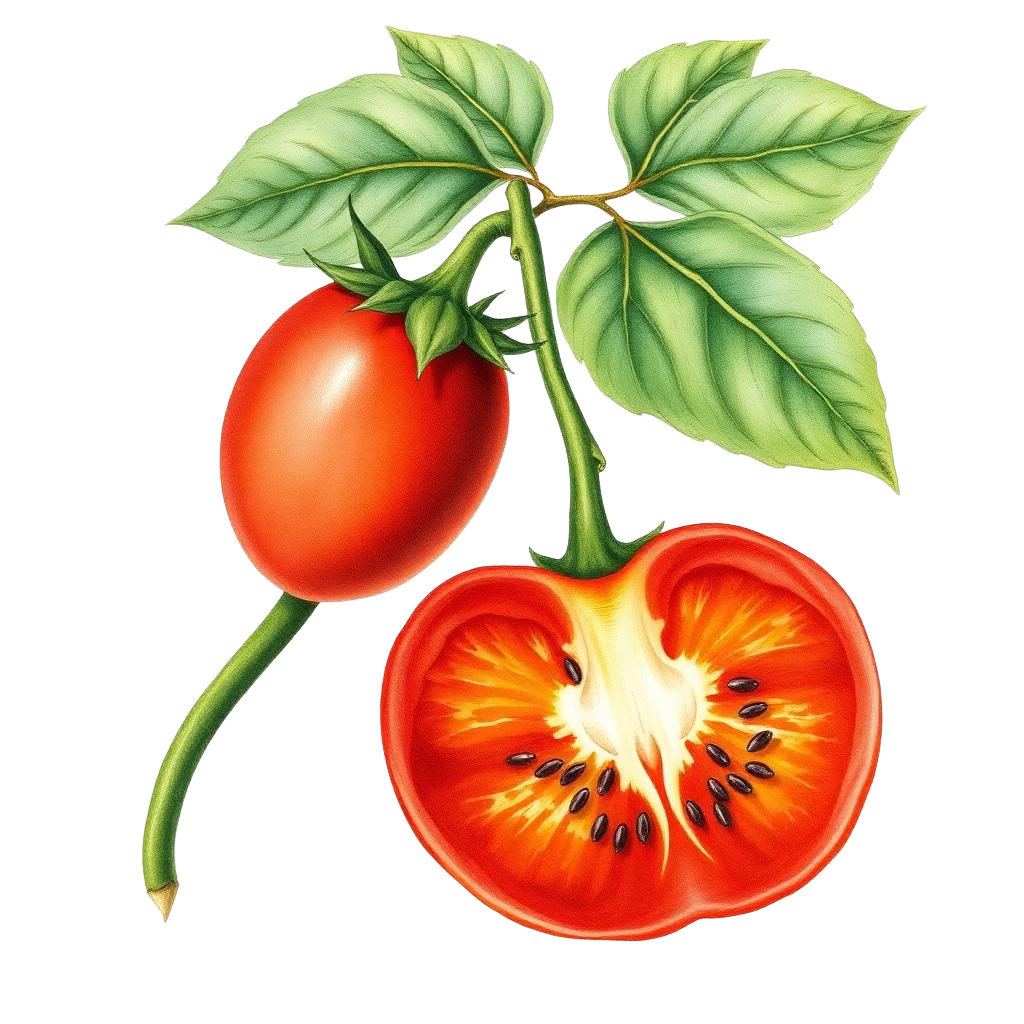
Tomate de Árbol (Rojo) botanical illustration
Tomate de Árbol (Rojo) real fruit photo
Tomate de Árbol (Rojo) cut open, showing the inside
Field guide
🗓️ Season
J
F
M
A
M
J
J
A
S
O
N
D

● peak · ○ available · — scarce

Recent visitors (last 30 days)

Be the first to log a sighting

🗺️ Where it grows

Native to the northern Andes of South America.

Elsewhere in the world: Also grown in New Zealand, Portugal and Kenya.

Altitude: 1,500–3,000 m
01k2k3k4k5k m
MedellínBogotáCartagenaCaliLeticia

Highland Antioquia and other cool Andean zones.

👀 Look

A glossy egg-shaped fruit the size of a small avocado, wine-red to purple, on a long woody stem. Inside: apricot-orange flesh around a swirl of dark, soft, edible seeds — beautiful in cross-section.

👃 Aroma

Faintly tomato-like with a sweet, almost apricot back note.

👅 Taste

Tart tomato + passionfruit + a hint of plum. More acid than sugar, slightly bitter skin.

Sweetness: ⭐⭐☆☆☆

🍽️ How to eat it
Halve it and scoop with a spoon — never eat the bitter skin (the classic tourist error). Most of the harvest is blended with water or milk into breakfast juice.
🧃 Drinks
Jugo de tomate de árbol — in water it's brisk and tart; in milk it turns custardy. A daily-breakfast juice across Antioquia; many paisas (people from the Antioquia region around Medellín) swear it lowers blood pressure (traditional belief, not medical advice).
🏪 Buying tips
Ripe = deep even color, slight give at the shoulder. Avoid wrinkles or leaking stems. Ripens well at room temperature.
💰 Price
2.500 COP (vendor quote) · wholesale 3.800–4.000/kg → 4.000–6.000 COP/kg retail. Typical market price.
🌎 Local lore
Colombians also cook it into ají de tomate de árbol, a table salsa, and simmer it with panela (unrefined whole-cane sugar) for cold remedies. The red-purple type is the juice workhorse.
⚠️ Watch out

The skin stains clothes and tastes bitter; the juice can mark white shirts permanently.

🎉 Fun fact
The export name "tamarillo" was invented by a New Zealand grower group in 1967 to make the fruit sound more exotic — the plant is otherwise pure Andes. It belongs to the genus Solanum, the same as potato, eggplant and tomato; until 2011 it had its own genus, Cyphomandra.
Worth trying?

⭐⭐⭐⭐☆ Essential in juice form — the taste of a paisa breakfast.