Back

Tamarindo

Tamarindus indica
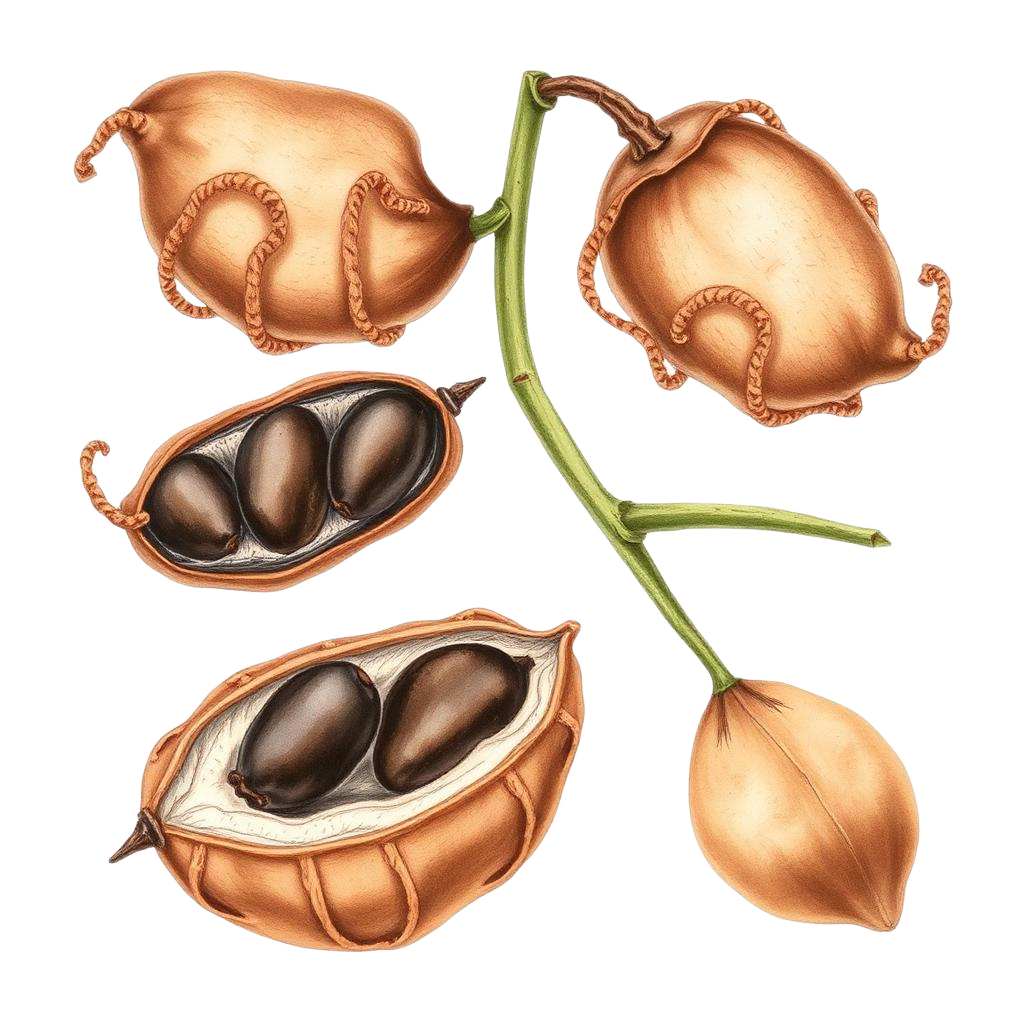
Tamarindo botanical illustration
Tamarindo real fruit photo
Tamarindo cut open, showing the inside
Field guide
🗓️ Season
J
F
M
A
M
J
J
A
S
O
N
D

● peak · ○ available · — scarce

Recent visitors (last 30 days)

Be the first to log a sighting

🗺️ Where it grows

Native to tropical Africa; spread across the tropics and grown in Colombia's warm valleys and coast.

Elsewhere in the world: Also grown in India, Thailand, Mexico, Brazil, the Philippines and Vietnam.

Altitude: 0–1,500 m
01k2k3k4k5k m
Where it grows wildWhere it's farmed todayMedellín
👀 Look

These pods look like long, curved, brittle brown beans, often with a slight bulge where the pulp is concentrated.

👃 Aroma

A distinct, sweet-sour, almost date-like fragrance, with earthy undertones.

👅 Taste

The pulp is intensely sweet and sour, with a sticky, fibrous texture that clings to the large, dark seeds.

Sweetness: ⭐⭐⭐☆☆

🍽️ How to eat it
Locals primarily use tamarind to make refreshing drinks and sauces, rarely eating the pulp fresh directly from the pod.
🧃 Drinks
Tamarind juice, or agua de tamarindo, is a staple in hot climates, known for its thirst-quenching properties and unique flavor.
🏪 Buying tips
Look for pods that are firm and intact, without cracks or mold. If buying pulp, ensure it's fresh and free of excessive fibers.
💰 Price
5.000-8.000 COP/kg for fresh pods, 10.000-15.000 COP/kg for pulp.
🌎 Local lore
Tamarind is a beloved ingredient in many traditional Colombian sweets and savory dishes, especially in coastal regions.
⚠️ Watch out

The pulp is very sticky and fibrous, making it a bit messy to eat directly. Most people prefer it processed into drinks or pastes.

🎉 Fun fact
The name 'tamarind' comes from the Arabic 'tamar hindi', meaning 'Indian date', reflecting its sweet-sour taste and origin. Tamarind is an essential souring ingredient in Worcestershire sauce and many HP-style brown sauces.
Worth trying?

⭐⭐⭐⭐ Addictively sweet-sour. Look for it as agua fresca or a candy.