Back

Colombian native Hardest to find abroad
Agraz (Mortiño)
Vaccinium meridionale
Agraz or mortiño

Field guide
Illustration
🗓️ Season
J
F
M
A
M
J
J
A
S
O
N
D
● peak · ○ available · — scarce
Recent visitors (last 30 days)
Be the first to log a sighting
👀 Look
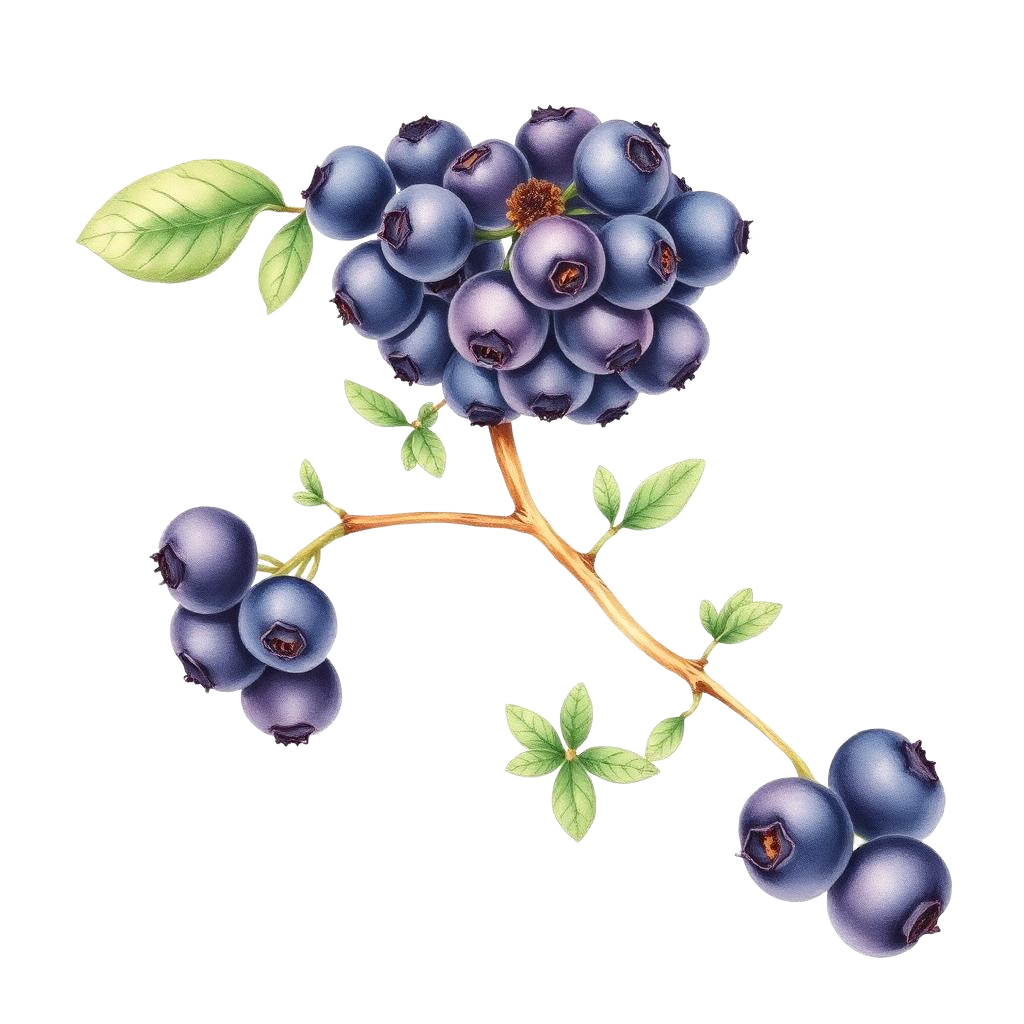
Looks like a wild blueberry: small, near-black berries with a matte bloom, sold by the bowlful with the odd green one mixed in. Deep purple juice.
👃 Aroma
Low — faintly winey and woodsy.
👅 Taste
A blueberry with attitude: tarter, wilder, more tannic, less sweet.
Sweetness: ⭐⭐☆☆☆
🍽️ How to eat it
Rarely raw. Agraz is for jugo, jams, wine, and famously postre de agraz — layered with sweetened cream. Tourist mistake: expecting a sweet blueberry and puckering.
🧃 Drinks
Jugo de agraz in water, sharp and gorgeous in color; blended with milk it makes a lilac smoothie.
🥤 Best uses
Fresh ★★☆☆☆ · Juice ★★★★☆ · Smoothie ★★★★☆ · Dessert ★★★★★ · Ice cream ★★★☆☆
🏪 Buying tips
Look for dry, plump, dark berries; avoid juice-stained tubs (crushed fruit). Very perishable — eat or refrigerate the same day.
💰 Price
Sold by the pound or small tub, commonly 6.000–12.000 COP depending on season. Typical market price.
🌎 Local lore
Mostly wild-harvested from highland forests rather than farmed, which is why you'll rarely see it outside Colombia — and why antioxidant researchers keep writing papers about it.
⚠️ Watch out
Stains everything it touches. Give them a rinse — they come straight from the hillside.
🎉 Fun fact
It's a true Vaccinium — the same genus as the blueberry and cranberry — and the star ingredient of Andean colada morada, the Day-of-the-Dead drink. Mortiño is nearly always wild-harvested from the Andean páramo because it resists farming, which keeps it a seasonal specialty.
⭐ Worth trying?
⭐⭐⭐⭐☆ Seek out the dessert or juice; it's the Andes in berry form.