Back
Colombian native Hardest to find abroad

Borojó

Alibertia patinoi
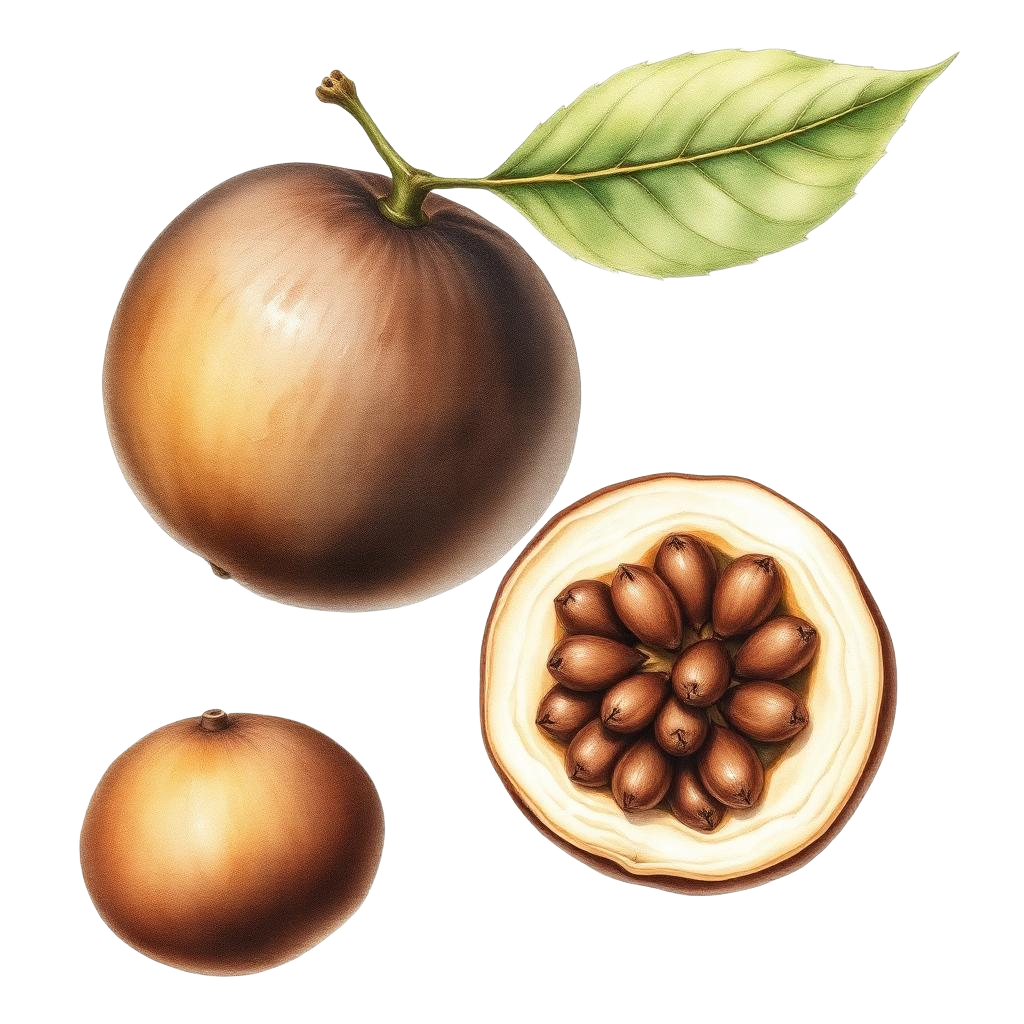
Borojó botanical illustration
Borojó real fruit photo
Field guide
🗓️ Season
J
F
M
A
M
J
J
A
S
O
N
D

● peak · ○ available · — scarce

Recent visitors (last 30 days)

Be the first to log a sighting

🗺️ Where it grows

Native to the rain-soaked Chocó of Colombia's Pacific coast and northwestern Ecuador.

Elsewhere in the world: Barely leaves Colombia — beyond the border it grows mostly wild in the Chocó rainforest of the Pacific coast.

Altitude: 0–1,000 m
01k2k3k4k5k m
MedellínBogotáCartagenaCaliLeticia

The Chocó rainforest, plus humid lowlands of Antioquia and Valle.

👀 Look

A brown, softball-sized fruit that looks frankly unpromising: when ripe it's soft, heavy and chocolate-brown, with dense date-like paste inside — up to 12 cm of pure pulp.

👃 Aroma

Fermented dates and tamarind — pungent, adult.

👅 Taste

Date + tamarind + something faintly savory; lightly acidic, dense, not conventionally "fruity."

Sweetness: ⭐⭐☆☆☆

🍽️ How to eat it
Nobody eats it plain. Borojó exists to be blended — with milk, panela (raw, unrefined cane sugar) and cinnamon into the Pacific coast's famous energizer.
🧃 Drinks
Jugo de borojó — and the legendary "levanta muertos" ("raises the dead"), borojó blended with milk, honey and sometimes malt or peanuts. Marketed, with a wink, as Viagra you can drink.
🏪 Buying tips
Ripe borojó is soft — it should feel like a beanbag. Most stalls sell the pulp frozen in bags, which is exactly what the juice stands use.
💰 Price
Per fruit or pulp bag, commonly 3.000–6.000 COP. Typical market price.
🌎 Local lore
The species is named for Víctor Manuel Patiño, the self-taught Colombian ethnobotanist (a scientist who studies how cultures use plants) who devoted his life to cataloguing the crops of the neotropics (the American tropics). Its aphrodisiac fame is so established there's an entire vallenato (Colombian accordion folk music) song tradition about borojó shaking old men back to life.
⚠️ Watch out

The flavor is a leap — order it in a small cup first. Very calorie-dense.

🎉 Fun fact
It belongs to the coffee family (Rubiaceae) — this dense brown pulp is, botanically, a fruiting cousin of the coffee bush. Its pulp is so dense and low in moisture for a fresh fruit that it is almost always blended into juice rather than eaten out of hand.
Worth trying?

⭐⭐⭐⭐☆ As the juice, for the story alone.