Back
Colombian native

Guanábana

Annona muricata
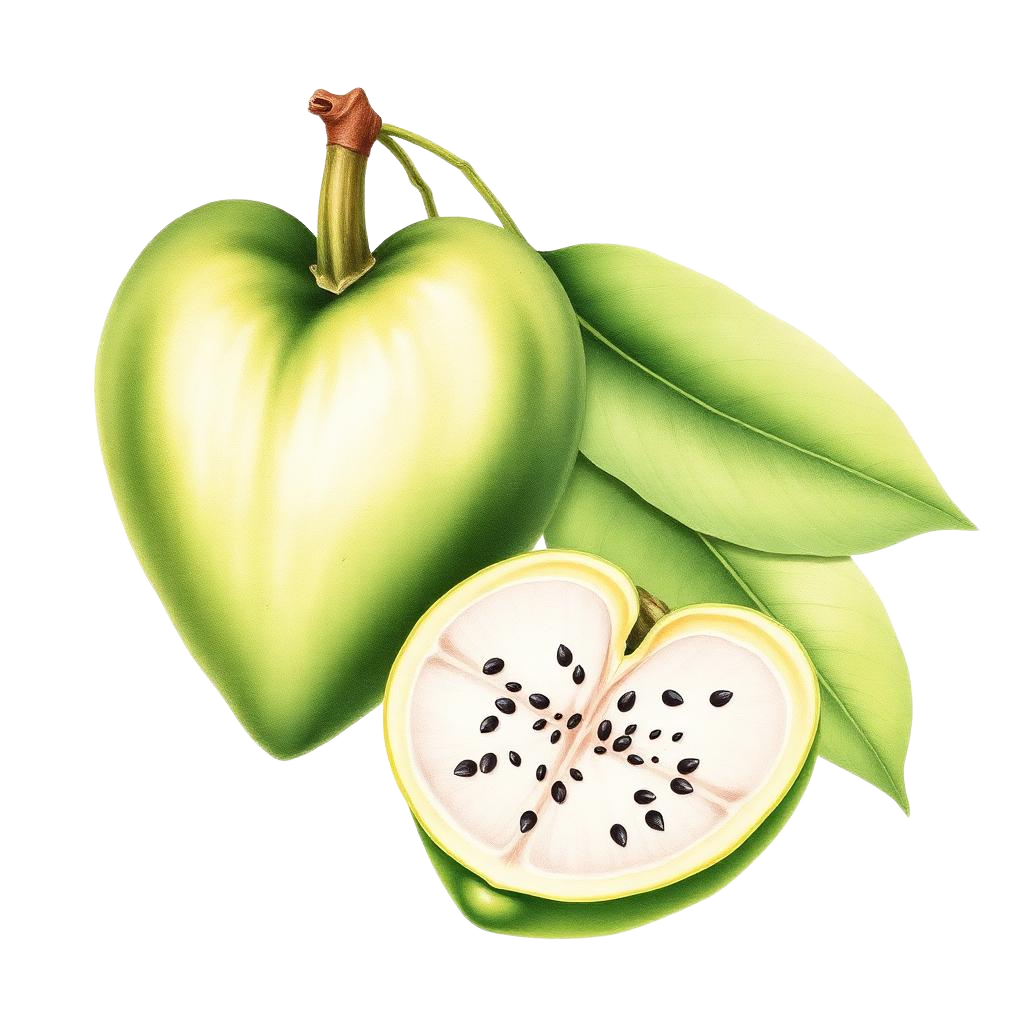
Guanábana botanical illustration
Guanábana real fruit photo
Guanábana cut open, showing the inside
Field guide
🗓️ Season
J
F
M
A
M
J
J
A
S
O
N
D

● peak · ○ available · — scarce

Recent visitors (last 30 days)

Be the first to log a sighting

🗺️ Where it grows

Native to the lowlands of the tropical Americas; grown throughout warm Colombia.

Elsewhere in the world: Also grown in Malaysia, Indonesia, Thailand, Vietnam, the Philippines and Cambodia.

Altitude: 0–1,200 m
01k2k3k4k5k m
MedellínBogotáCartagenaCaliLeticia

Warm Caribbean lowlands and warm valleys across the country.

👀 Look

A comically large (1–4 kg) green heart covered in soft, harmless spines, resting on cloth like the market's crown jewels. Inside: white cottony segments, glossy black seeds, creamy pulp.

👃 Aroma

Pineapple-banana with a lactic tang, like tropical yogurt.

👅 Taste

Strawberry + pineapple + banana with a sour-cream finish. Creamy and juicy at once.

Sweetness: ⭐⭐⭐☆☆

🍽️ How to eat it
Chunks eaten around the seeds when perfectly ripe, but overwhelmingly as guanábana en leche — Colombia's dessert-in-a-cup. Tourist mistake: buying a whole 3-kilo fruit for two people; buy a portion or order the juice.
🧃 Drinks
Guanábana en leche (the classic — milk, ice, a little sugar) or in water for something lighter. Available at virtually every juice stall.
🏪 Buying tips
Ripe = dull green, gives to a gentle press, spines soften. Hard and shiny = 2–3 days out. Vendors sell halves and quarters — normal to ask.
💰 Price
Wholesale ~5.000 COP/kg (April 2026) → 6.000–9.000 COP/kg retail. Typical market price.
🌎 Local lore
The soursop family (Annonaceae) gives Colombia a whole dynasty — guanábana, anón, chirimoya, guanábana toreta. Internet miracle-cure claims about soursop abound; enjoy it as food, not medicine — the seeds, notably, are toxic and traditionally used as insecticide.
⚠️ Watch out

Never chew or blend the seeds. Heavy fruit ripens fast — refrigerate once soft.

🎉 Fun fact
Its seeds contain annonacin, a neurotoxin linked to a Parkinson's-like illness in Guadeloupe — a very real reason locals warn you never to blend them. It is the largest-fruited member of the custard-apple family and can weigh up to around 7 kg.
Worth trying?

⭐⭐⭐⭐⭐ Guanábana en leche is non-negotiable.