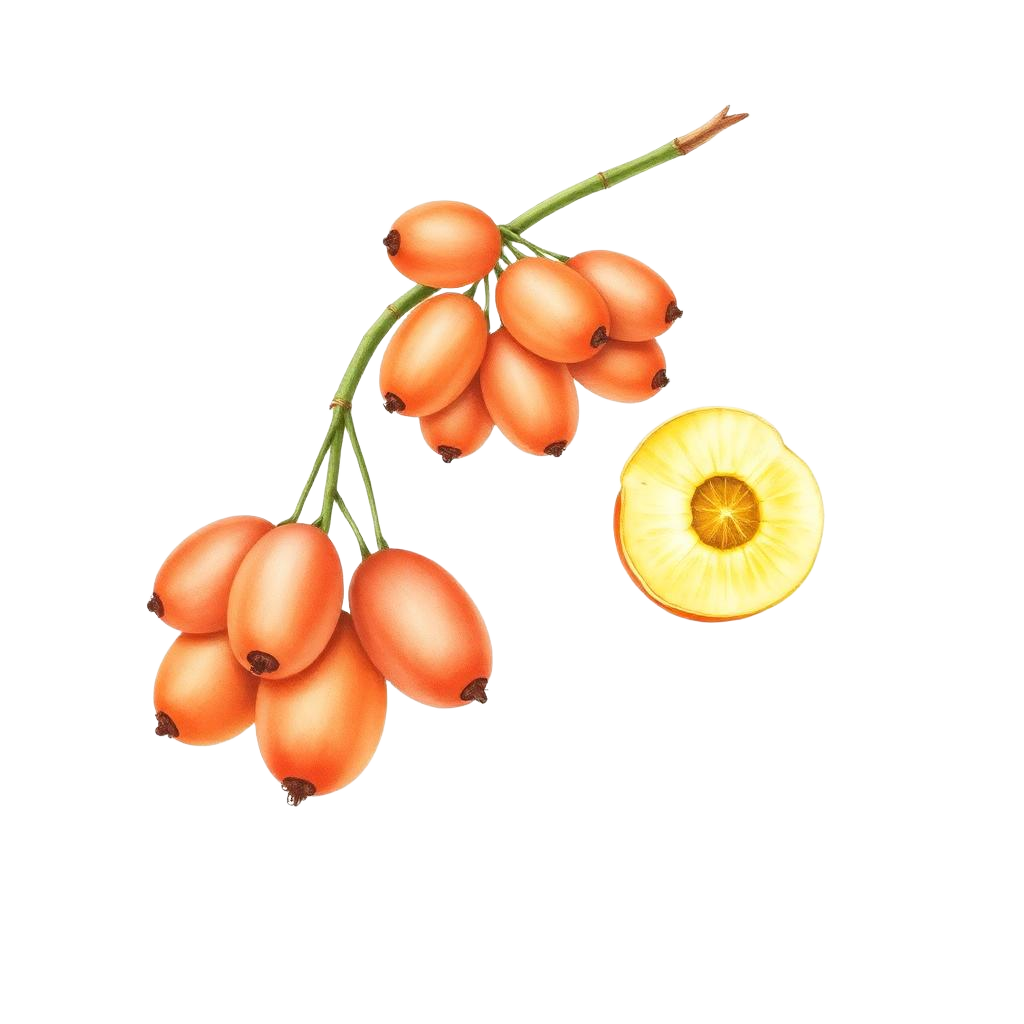
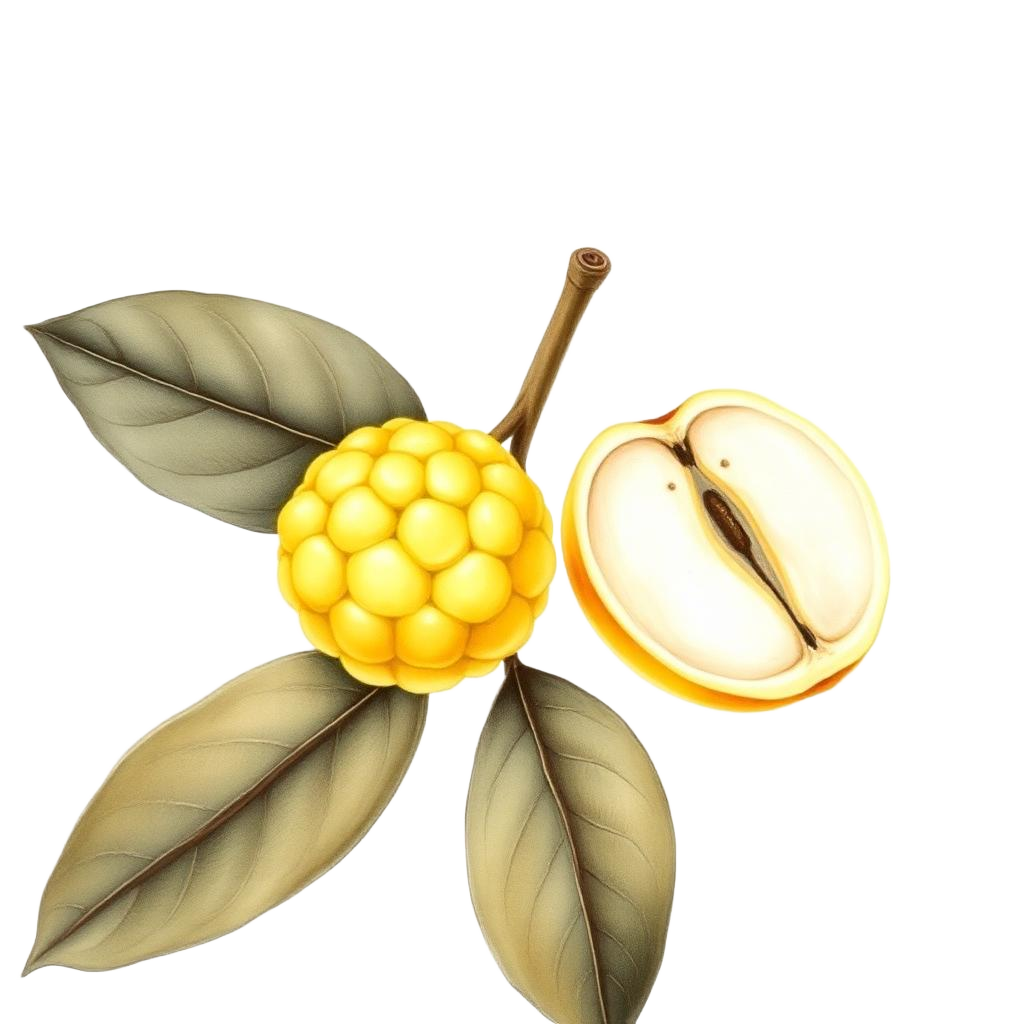
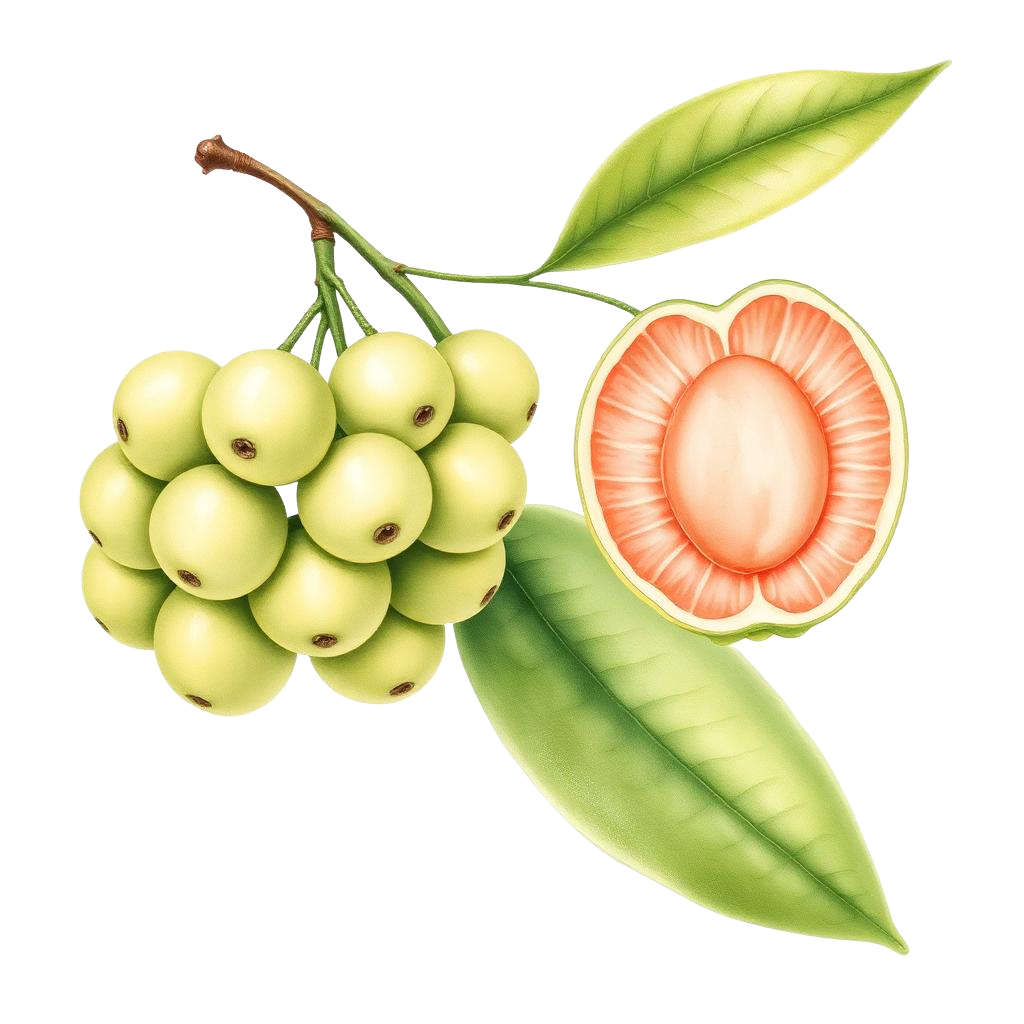
Boiled (always — raw is inedible), peeled, and eaten with salt and honey, a combination that makes no sense until you try it. Street vendors sell them ready to go. Tourist mistake: expecting fruit-sweetness and quitting after one bite — give it three.
🧃 Drinks
On the Pacific coast, blended with milk into a fortifying batido.
🏪 Buying tips
Buy them warm from the pot if you can. Firm, unwrinkled skin. They keep a day or two.
💰 Price
Commonly 1.000–2.000 COP per fruit boiled. Typical market price.
🌎 Local lore
The Pacific coast swears by chontaduro as an aphrodisiac — sold from carts with the sales pitch to match. Nutritionally it really is remarkable: more like an energy bar than a fruit.
⚠️ Watch out
Never raw (irritating oxalates). Filling — it's lunch, not a snack.
🎉 Fun fact
It's one of the oldest domesticated Amazonian crops and is unknown in a truly wild state — and the same palm gives us gourmet palm heart (palmito). Cooked, it is exceptionally rich in provitamin-A carotenoids, closer to an energy food than a dessert fruit.
⭐ Worth trying?
⭐⭐⭐☆☆ Try it the local way — salt and honey — at least once.