Back
Colombian native Hardest to find abroad

Madroño

Garcinia madruno
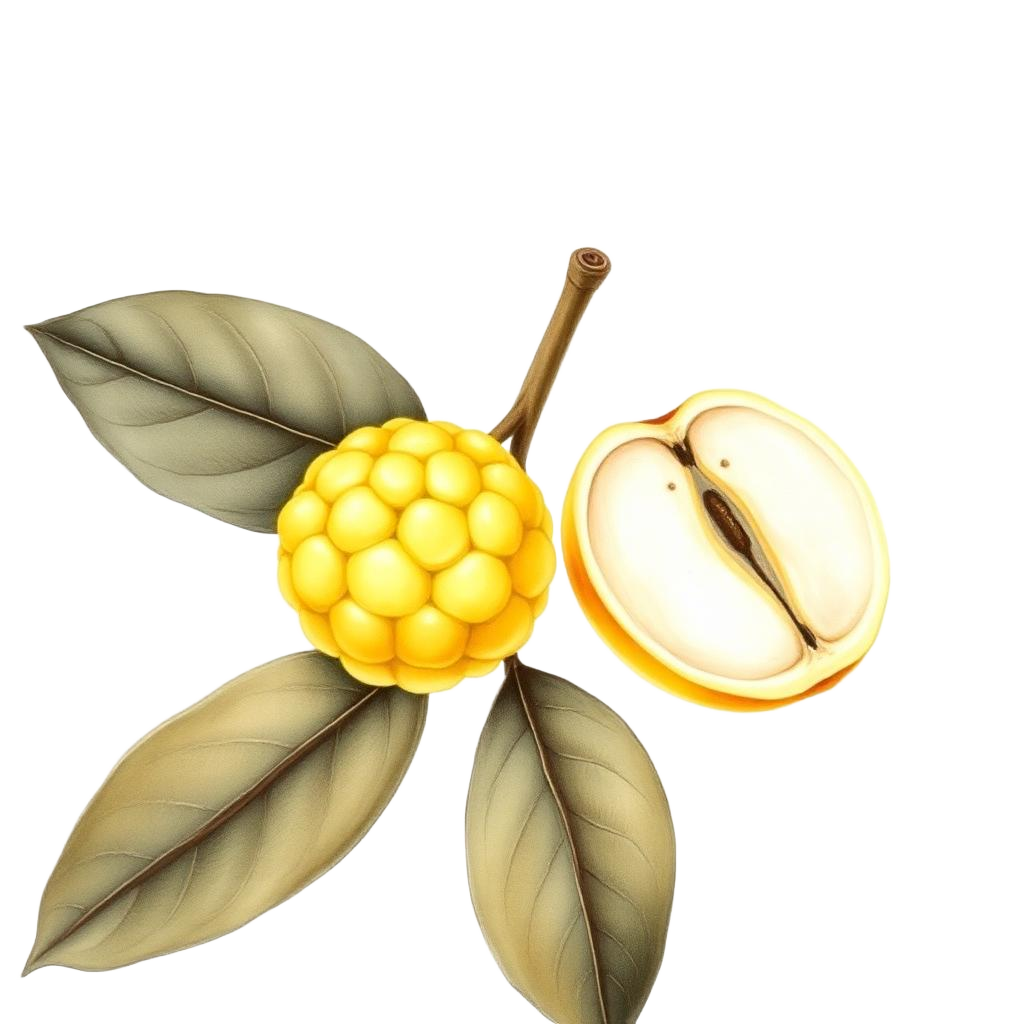
Madroño botanical illustration
Madroño real fruit photo
Field guide
🗓️ Season
J
F
M
A
M
J
J
A
S
O
N
D

● peak · ○ available · — scarce

Recent visitors (last 30 days)

Be the first to log a sighting

🗺️ Where it grows

Native to lowland and montane forests of Central and South America; common in Colombia's Cauca Valley.

Elsewhere in the world: Barely leaves Colombia — beyond the border it grows mostly wild in the Chocó rainforest of the Pacific coast, the northern Andes and lowland Central America.

Altitude: 0–1,500 m
01k2k3k4k5k m
MedellínBogotáCartagenaCaliLeticia

Inter-Andean valleys, especially the Cauca Valley.

👀 Look

A small golden egg with a bumpy, warty rind that cracks like an eggshell. Inside: segments of pearl-white (deepening to yellow when very ripe), silky pulp around a few seeds.

👃 Aroma

Citrus-honey, faint.

👅 Taste

Mangosteen's tangy cousin — lemonade + lychee, sweet-sharp and gone in two bites.

Sweetness: ⭐⭐⭐☆☆

🍽️ How to eat it
Crack with thumbs, slurp the segments, spit the seeds. A childhood fruit from farm hedgerows more than a commercial crop.
🧃 Drinks
None traditional — too little pulp per fruit.
🏪 Buying tips
Bright yellow, intact rind; avoid split or oozing fruit. Eat within a day or two.
💰 Price
By the pound; modest — usually 3.000–5.000 COP/lb. Typical market price.
🌎 Local lore
A true native Garcinia — proof Colombia had its own "mangosteen" long before the Asian one arrived. Almost never exported or even sold in supermarkets: hedgerow-to-market only.
⚠️ Watch out

Seeds are bitter; don't chew them.

🎉 Fun fact
It's a genuine Garcinia — the mangosteen's own genus — so Colombia had its own native "mangosteen" long before the Asian one ever arrived. Its English nickname is "lemon drop mangosteen" for its bumpy citrus-like rind and sweet pulp.
Worth trying?

⭐⭐⭐⭐☆ A only-in-Colombia bite — grab a handful.