Back
Colombian native

Mamoncillo

Melicoccus bijugatus

Mamoncillo (also mamón)
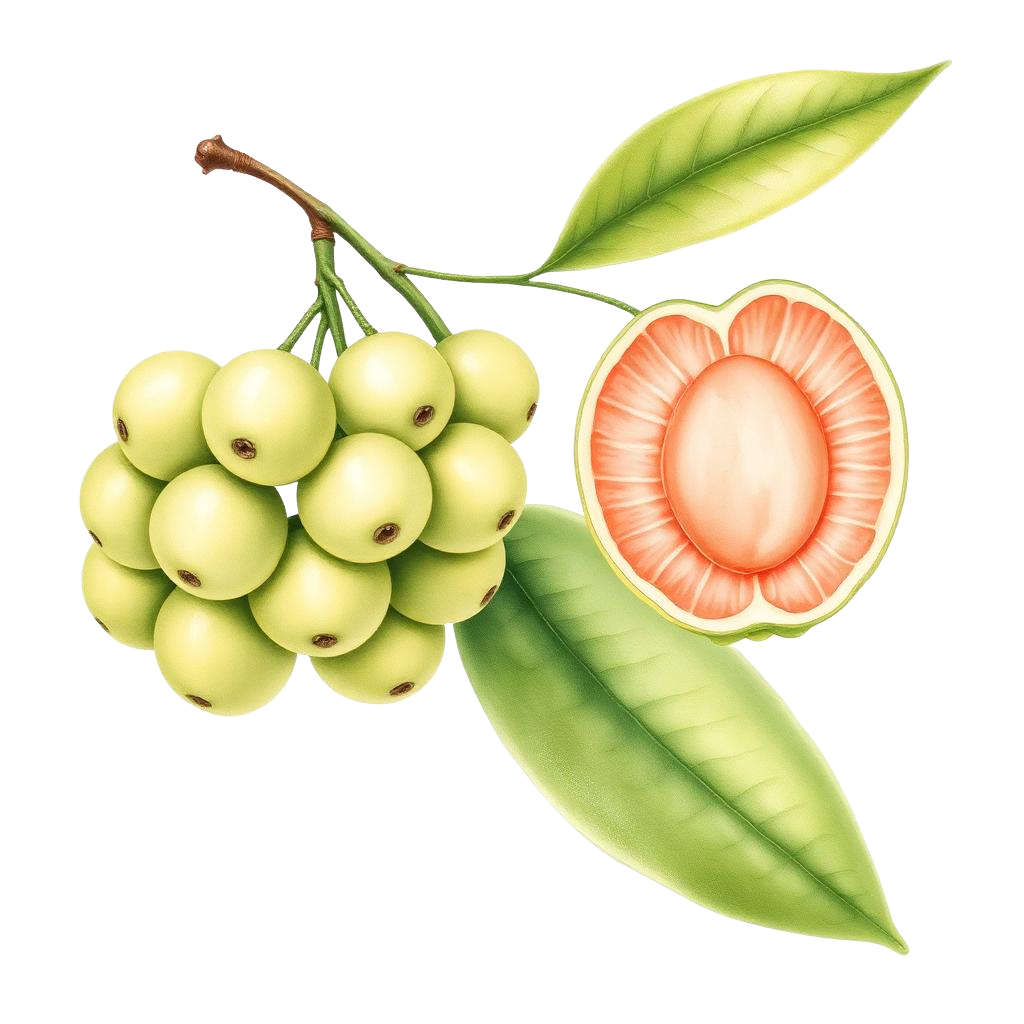
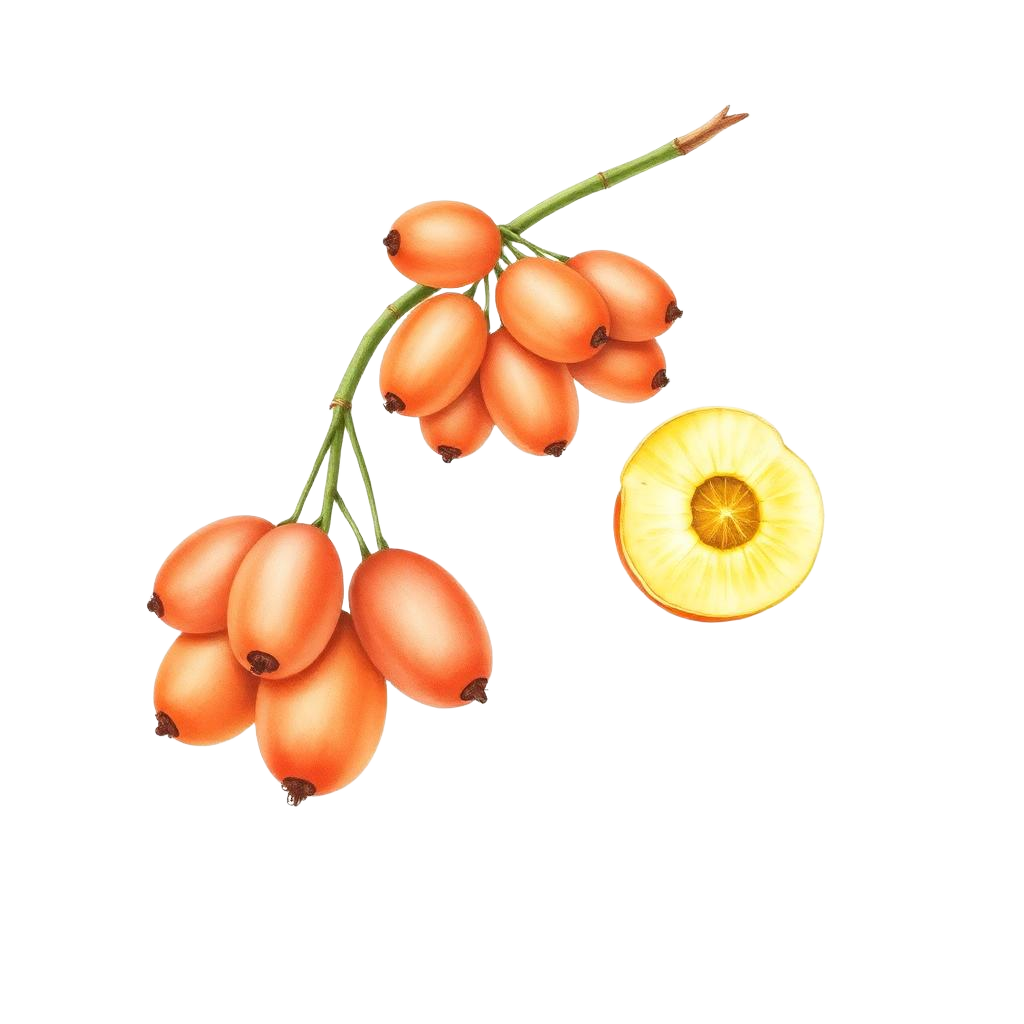
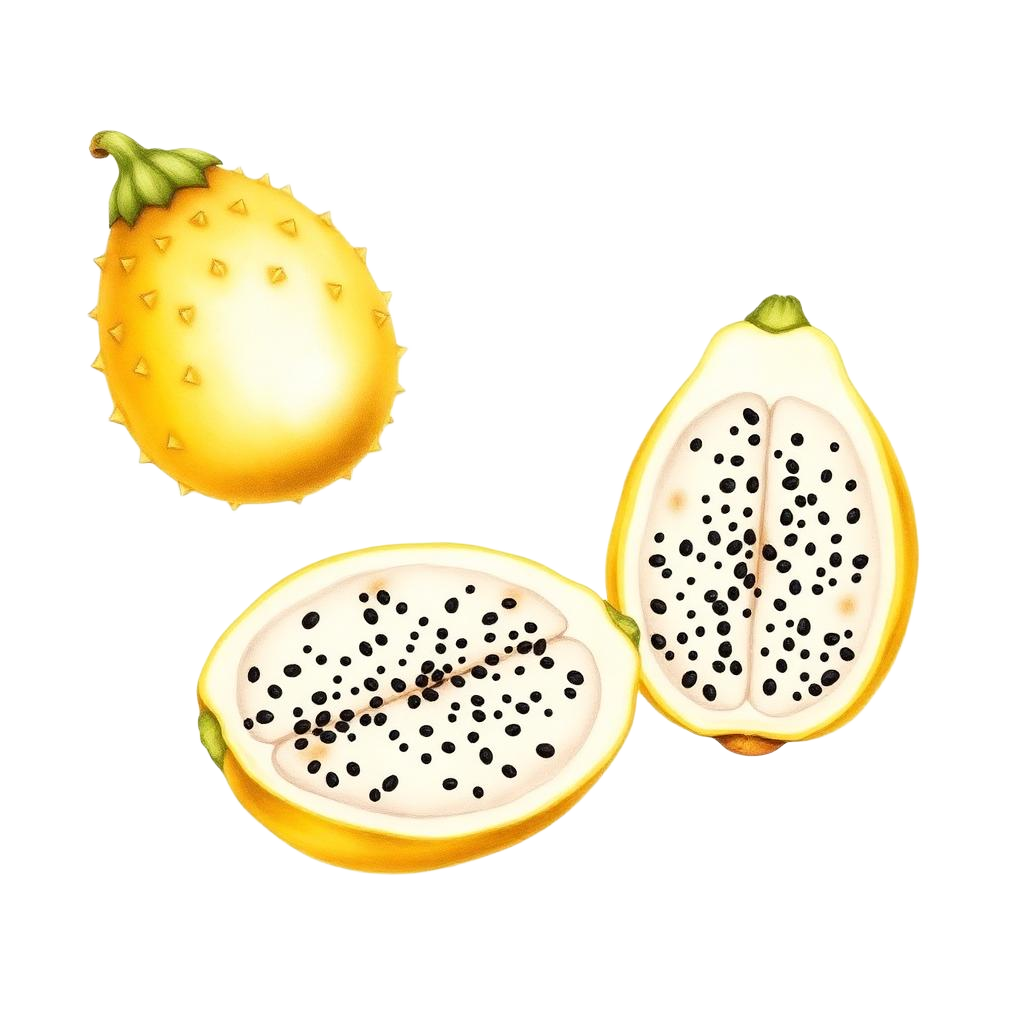
Mamoncillo botanical illustration
Mamoncillo real fruit photo
Mamoncillo cut open, showing the inside
Field guide
🗓️ Season
J
F
M
A
M
J
J
A
S
O
N
D

● peak · ○ available · — scarce

Recent visitors (last 30 days)

Be the first to log a sighting

🗺️ Where it grows

Native to the dry lowlands of northern South America and the Caribbean; beloved across Colombia's Caribbean coast.

Elsewhere in the world: Also grown in Cuba, Jamaica, Haiti, the Dominican Republic, Puerto Rico and Trinidad and Tobago.

Altitude: 0–1,000 m
01k2k3k4k5k m
MedellínBogotáCartagenaCaliLeticia

The Caribbean coast and dry warm lowlands.

👀 Look

Bunches of what look like unripe limes on branches. Crack the brittle green shell: inside is a large seed wrapped in translucent salmon-pink jelly.

👃 Aroma

Faintly grapey.

👅 Taste

Lychee + sour grape + a citrus edge. Sweet-tart, more tart near the pit.

Sweetness: ⭐⭐⭐☆☆

🍽️ How to eat it
Bite the shell at its seam, squeeze the pulp-ball into your mouth, and work it like candy — then discreetly spit the seed. An all-day street snack sold by the branch. Tourist mistake: trying to bite through or chew the seed, or swallowing it (don't — it's a choking hazard).
🧃 Drinks
Occasionally boiled into a Caribbean-style drink; mostly a hand fruit.
🏪 Buying tips
Buy on the branch (fresher); shells should be firm and green, not blackening. Keeps days unrefrigerated.
💰 Price
A generous branch usually runs a few thousand pesos. Ask — sold by branch, not weight.
🌎 Local lore
The pulp stains brown permanently — Caribbean mothers can identify a mamoncillo afternoon from one look at a T-shirt. Season is short; when the pyramids appear at the Minorista, it's summer somewhere hot.
⚠️ Watch out

Choking-hazard seed — never give whole fruit to small children. Stains.

🎉 Fun fact
It sits in the soapberry family (Sapindaceae) alongside lychee, longan, rambutan and ackee — the market's "mamón chino" (rambutan) is a distant relative. "Mamoncillo" comes from mamar (to suck): the fruit is named for how you suck the jelly pulp off the pit.
Worth trying?

⭐⭐⭐⭐☆ Impossibly fun to eat. Buy a branch for the walk.