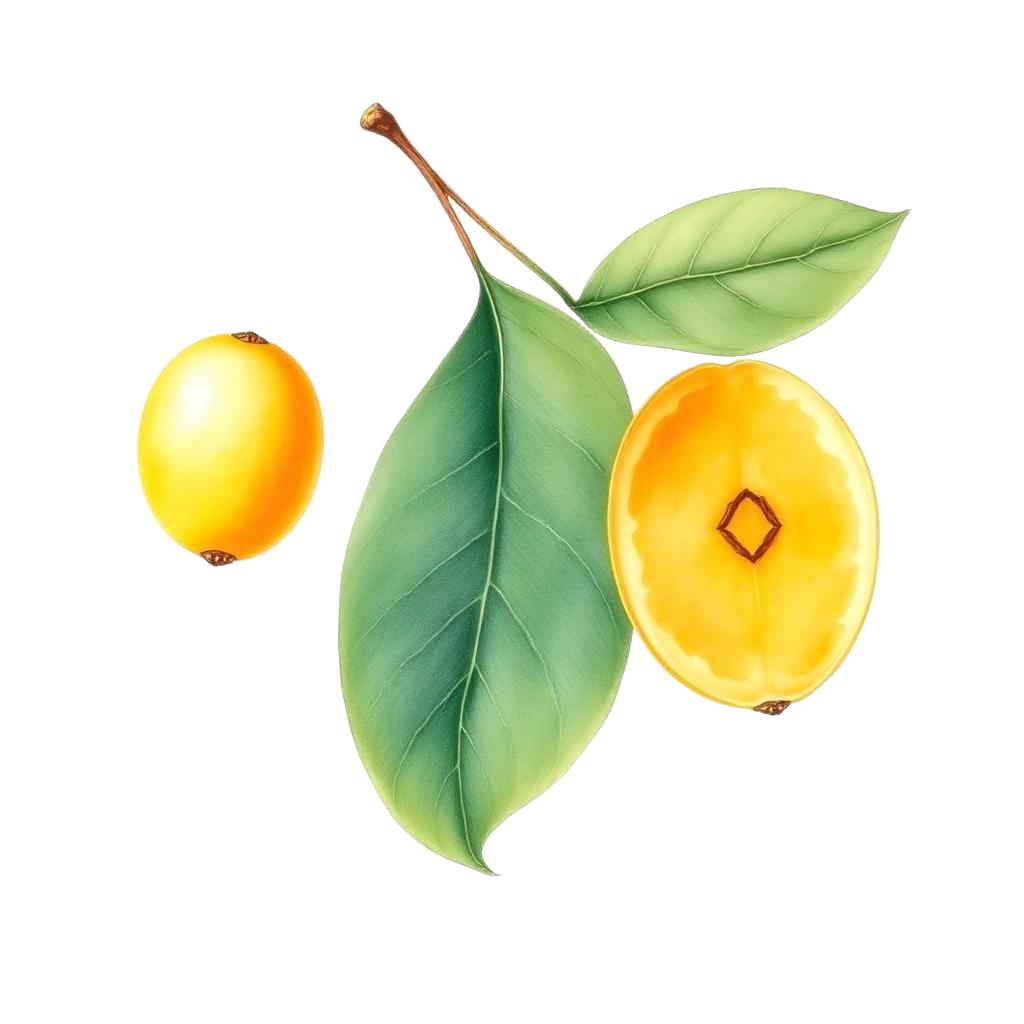
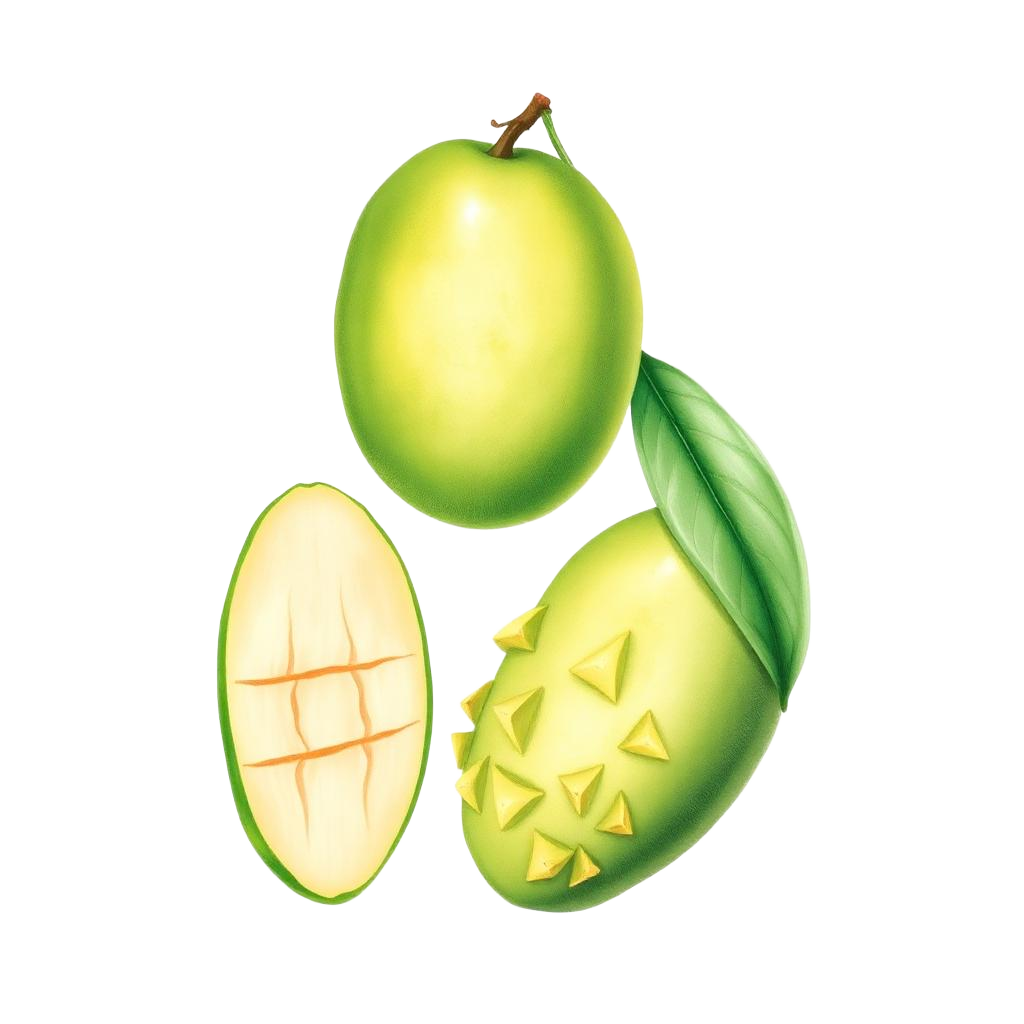
Mango originates in South Asia; this lowland Colombian cultivar grows in warm valleys and along the coast.
Elsewhere in the world: Also grown in India, Mexico, Brazil, Thailand, the Philippines and Pakistan.
Altitude: 0–1,000 m
01k2k3k4k5k m
Where it grows wildWhere it's farmed todayMedellín
👀 Look
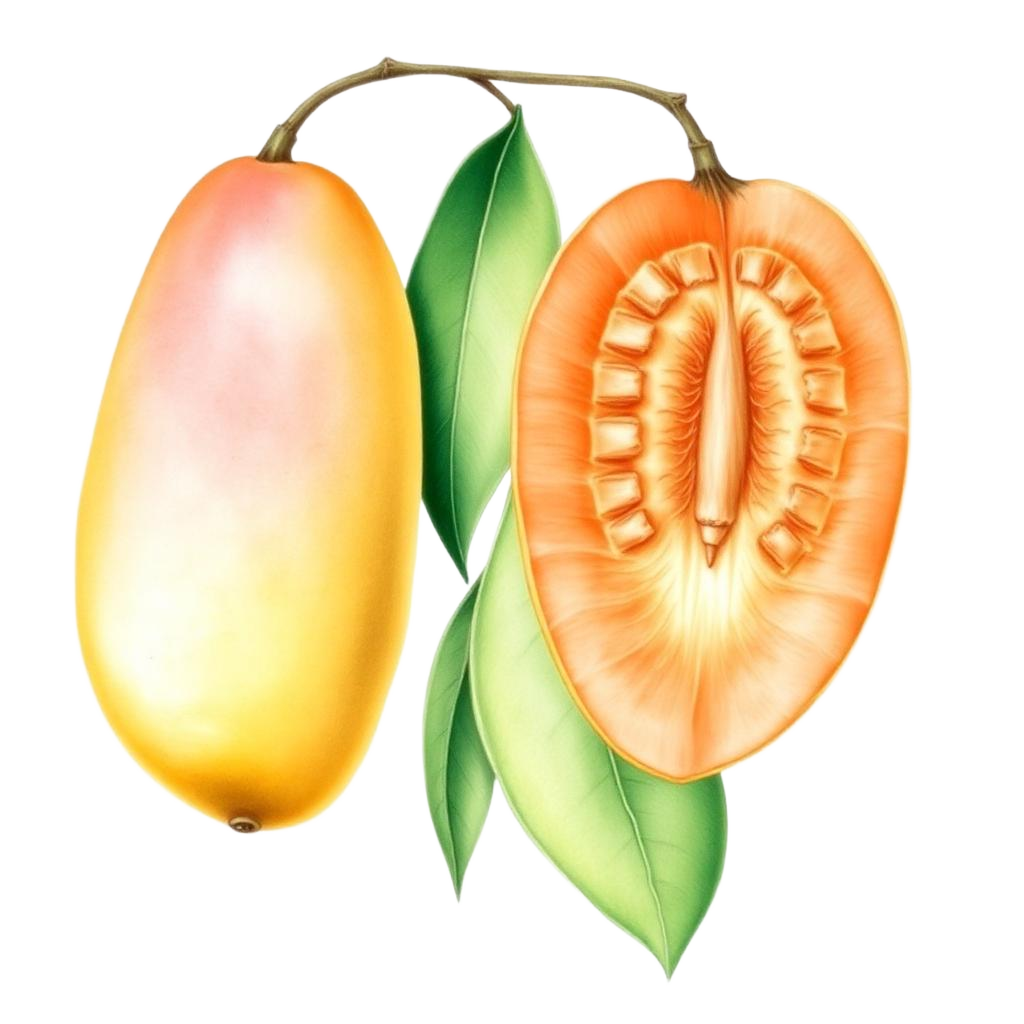
Elongated and flattened like its namesake sandal, ripening yellow-green to gold. Low fiber, generous flesh.
👃 Aroma
Classic sweet mango, milder than azúcar.
👅 Taste
Balanced sweet mango, less sugary than azúcar, clean and smooth.
Sweetness: ⭐⭐⭐⭐☆
🍽️ How to eat it
Sliced in "hedgehog" cubes or eaten off the seed.
🧃 Drinks
Same jugo/batido duties as any good mango.
🏪 Buying tips
Slight give and perfume at the stem; skin color varies by strain, so trust touch over color.
💰 Price
In the everyday mango range: 3.000–5.000 COP/kg. Typical market price.
🌎 Local lore
Colombia's informal mango naming is its own dialect — chancleta, corazón, hilaza, manzano, reina… Vendors will happily rank them for you; the debate has no end.
⚠️ Watch out
Same mild skin-sap caution as all mangoes.
🎉 Fun fact
Mango has been cultivated in India for over 4,000 years and is today one of the world's most-produced tropical fruits (it tops the "major tropical fruits" category of the FAO, the UN's food and agriculture agency, which counts bananas separately) — every Colombian cultivar traces back there. The mango is the national fruit of India, Pakistan and the Philippines.
⭐ Worth trying?
⭐⭐⭐⭐☆ Great table mango; compare against the azúcar.
.jpg?width=1024)