Back


Colombian native Hardest to find abroad
Zapote
Matisia cordata
Zapote (also zapote costeño / sapote de monte)
Field guide
🗓️ Season
J
F
M
A
M
J
J
A
S
O
N
D
● peak · ○ available · — scarce
Recent visitors (last 30 days)
Be the first to log a sighting
🗺️ Where it grows
Native to the western Amazon of Colombia, Ecuador, Peru and Brazil, and to Colombia's inter-Andean valleys.
Elsewhere in the world: Also grown in Panama and Costa Rica.
Altitude: 0–1,200 m
01k2k3k4k5k m
👀 Look
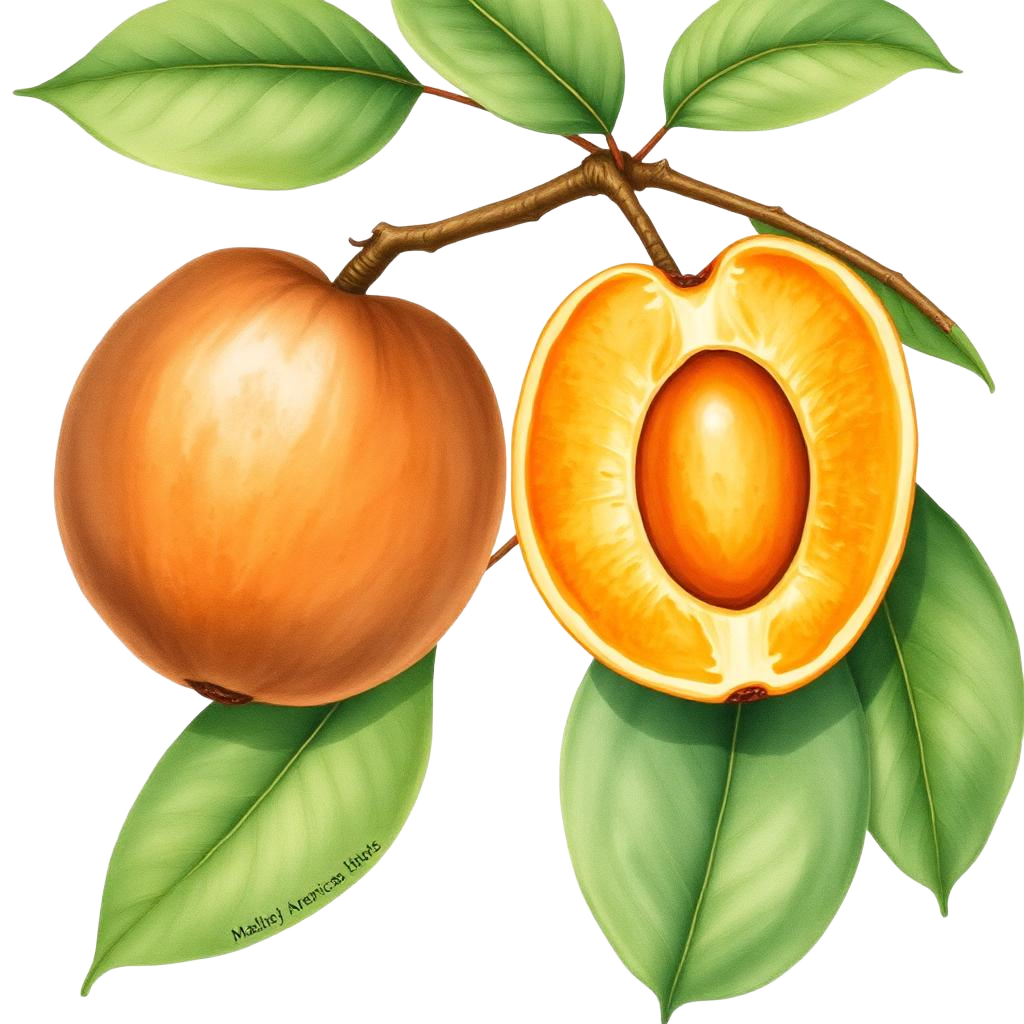
A softball-sized fruit in olive-green suede with a thick woody stem, like something a prop department invented. Inside: shockingly orange, dense, fibrous flesh around 2–5 large seeds.
👃 Aroma
Sweet pumpkin and dried apricot.
👅 Taste
Sweet pumpkin + mango + carrot cake. Dense, low-acid, moderately juicy, pleasantly stringy.
Sweetness: ⭐⭐⭐⭐☆
🍽️ How to eat it
The vendor quarters it with a machete-sized knife; you scoop or gnaw the fibrous flesh off the seeds — spoons help, floss afterwards is wise. Tourist mistake: wearing white while doing so.
🧃 Drinks
Zapote en leche on the coast — thick, orange, milkshake-adjacent.
🏪 Buying tips
Ripe = slight give when pressed near the stem. Vendors will pick for you if you say "para hoy" (for today). Doesn't ripen much off the tree — buy ready.
💰 Price
Sold per unit, typically 2.000–5.000 COP each by size. Typical market price.
🌎 Local lore
The fibers dye fingers (and shirts) a cheerful orange; kids' faces after zapote are a Colombian archetype. Too soft and heavy to export, so this one stays home.
⚠️ Watch out
Fibers lodge between teeth; juice stains.
🎉 Fun fact
It belongs to the mallow family (Malvaceae) — making this humble market fruit a botanical cousin of cacao, durian, okra and cotton. The tree is a rainforest giant reaching up to around 45 m, one of the tallest fruit trees of the Amazon.
⭐ Worth trying?
⭐⭐⭐⭐☆ A must for the spectacle alone.